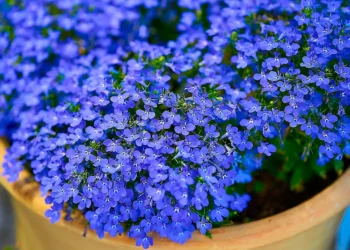
Edging Lobelia: A Delicate Beauty for Cool-Weather Gardens
If you’re looking for a charming little flower that spills gracefully over container edges or creates neat borders in your garden, edging lobelia (Lobelia erinus) might catch your eye. This dainty annual has been winning over gardeners for generations with its prolific blooms and tidy growing habit, though as with any non-native plant, there are some important considerations to keep in mind.
What Exactly Is Edging Lobelia?
Edging lobelia is a small, herbaceous plant that technically can be either annual or perennial, though most gardeners treat it as an annual. Originally hailing from South Africa, this non-native species has found its way into gardens across several U.S. states, including California, Hawaii, Michigan, Oregon, Pennsylvania, and Utah, where it has naturalized and reproduces on its own.
- Species observed
- No observations
The plant belongs to the forb category, meaning it’s a soft-stemmed flowering plant without woody tissue. Don’t let its delicate appearance fool you though – when happy, edging lobelia can be quite the prolific bloomer!
Why Gardeners Love (and Sometimes Struggle With) Edging Lobelia
There’s definitely appeal to this little charmer. Edging lobelia produces masses of small, tubular flowers in shades of blue, purple, pink, or white that seem to float above the foliage like tiny butterflies. The plants form neat, compact mounds or trailing cascades depending on the variety, making them perfect for:
- Creating crisp edges along garden borders
- Filling containers and hanging baskets
- Adding delicate texture to rock gardens
- Providing continuous color in cottage-style gardens
However, edging lobelia can be a bit finicky. It’s definitely a cool-weather lover and tends to sulk (or outright give up) when temperatures soar. Many gardeners find themselves replanting it mid-summer or treating it as a spring-only annual.
Growing Edging Lobelia Successfully
Want to give edging lobelia a try? Here’s how to keep it happy:
Climate and Hardiness: While it can act as a perennial in USDA zones 9-11, most gardeners grow it as an annual. It performs best in cooler climates and during cooler parts of the growing season.
Light and Soil Requirements: Edging lobelia prefers partial shade to full sun, but appreciates some afternoon shade in hotter climates. It needs well-draining soil that stays consistently moist – think evenly moist sponge, not soggy swamp.
Planting Tips:
- Start seeds indoors 10-12 weeks before the last frost date
- Seeds are tiny, so barely cover them with soil
- Keep seedlings cool and moist
- Transplant outside after all danger of frost has passed
Care and Maintenance:
- Water regularly to keep soil consistently moist
- Deadhead spent flowers to encourage continued blooming
- Consider replanting in midsummer for fall color
- Fertilize lightly every few weeks during the growing season
Wildlife and Pollinator Value
While edging lobelia does attract some butterflies and small pollinators with its nectar-rich flowers, it’s worth noting that as a non-native species, it doesn’t provide the same ecological benefits as native alternatives. The flowers are relatively small and may not serve the needs of all local pollinator species.
Should You Plant Edging Lobelia?
Edging lobelia isn’t invasive or particularly problematic, so there’s no urgent reason to avoid it if you enjoy its delicate charm. However, if you’re interested in supporting local ecosystems, consider exploring native alternatives that offer similar aesthetic appeal while providing better habitat and food sources for native wildlife.
Some native alternatives to consider include native violets for similar low-growing habit with small flowers, or native asters for comparable blue-purple blooms (though larger in scale). Your local native plant society can suggest species that naturally occur in your specific region.
The Bottom Line
Edging lobelia can be a lovely addition to cool-weather gardens, especially for gardeners who enjoy the challenge of growing something a bit temperamental. Its delicate flowers and neat growth habit have earned it a place in many classic garden designs. Just remember to keep it well-watered, cool, and consider it a fair-weather friend that might need replacing when the heat of summer arrives!
Whether you choose edging lobelia or opt for native alternatives, the key is creating a garden that brings you joy while being mindful of the broader ecological impact of your plant choices.