Edmonton Hempnettle: A European Annual Finding Its Way in Canadian Gardens
If you’ve stumbled across a modest pink-flowered plant in your garden or local area and wondered what it might be, you could be looking at Edmonton hempnettle (Galeopsis speciosa). This annual herb has made itself at home in parts of Canada, though it originally hails from much farther away.
What Exactly Is Edmonton Hempnettle?
Edmonton hempnettle is a non-native annual forb that belongs to the mint family. Originally from Europe, this herbaceous plant has established itself in Alberta, Ontario, and Quebec, where it reproduces on its own without human assistance. You might also see it listed under its synonym, Galeopsis versicolor, in some older gardening references.
As an annual plant, Edmonton hempnettle completes its entire life cycle in one growing season, from seed to flower to seed again. It’s classified as a forb, which simply means it’s a non-woody flowering plant – think of it as the botanical equivalent of a gentle wanderer rather than a permanent resident like a tree or shrub.
- Species observed
- No observations
Recognizing Edmonton Hempnettle
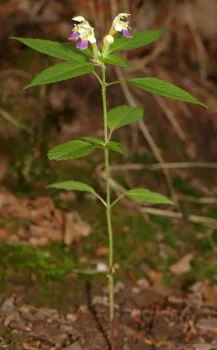
This plant typically grows 1-3 feet tall with a somewhat spreading habit. The flowers are the real showstoppers – small but charming pink to purple blooms often decorated with white markings that give them a delicate, two-toned appearance. The flowers appear in clusters and have that characteristic mint-family look that many gardeners find appealing.
Should You Grow Edmonton Hempnettle?
Here’s where things get interesting. Since Edmonton hempnettle is non-native, it’s worth considering both the pros and cons before welcoming it into your garden space.
The Case For:
- Attractive flowers that add subtle color to garden beds
- Provides nectar for bees and other small pollinators
- Low-maintenance once established
- Works well in cottage gardens or naturalized areas
- Tolerates a range of growing conditions
The Case Against:
- Non-native species that may compete with local plants
- Self-seeds readily, which could lead to unwanted spread
- Limited ecological benefits compared to native alternatives
Growing Conditions and Care
If you do decide to grow Edmonton hempnettle, you’ll find it’s quite accommodating. This plant prefers moist, fertile soils but can adapt to various conditions. It performs well in partial shade, making it useful for those tricky spots where other plants might struggle.
Being an annual, it’s suitable for USDA hardiness zones 3-8, though as an annual, cold hardiness isn’t really the limiting factor – growing season length is more important.
Planting and Care Tips:
- Sow seeds directly in spring after the last frost
- Choose a location with moist, well-draining soil
- Partial shade to full sun locations work well
- Water regularly during dry spells
- Deadhead flowers to prevent excessive self-seeding if desired
- No special fertilization typically needed
Consider Native Alternatives
While Edmonton hempnettle can be an attractive garden addition, you might want to explore native alternatives that provide similar aesthetic appeal while supporting local ecosystems more effectively. Consider native mint family members or other pink-flowered natives that naturally occur in your region.
Native plants typically require less maintenance, support more wildlife, and integrate better with existing plant communities. Your local native plant society or extension office can provide excellent recommendations for alternatives that thrive in your specific area.
The Bottom Line
Edmonton hempnettle sits in that interesting middle ground – not aggressively invasive, but not native either. If you choose to grow it, do so thoughtfully, keeping an eye on its tendency to self-seed. And remember, every garden space used for non-native plants is a missed opportunity to support native wildlife and plant communities.
Whatever you decide, happy gardening!