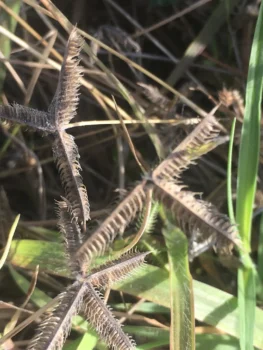
Egyptian Grass: A Hardy Ground Cover for Challenging Spaces
Looking for a tough-as-nails grass that can handle the worst growing conditions? Egyptian grass (Dactyloctenium aegyptium) might just be the resilient performer you need. Also known as beach wiregrass or crowfoot grass, this annual grass has made itself at home across much of the United States, despite its exotic origins.
What is Egyptian Grass?
Egyptian grass is an annual grass with a distinctive appearance that sets it apart from your typical lawn grasses. This low-growing plant forms dense, spreading mats and produces characteristic finger-like seed heads that give it one of its common names – crowfoot grass. The seed heads spread out like the toes of a crow’s foot, making it quite recognizable once you know what to look for.
Where Does Egyptian Grass Grow?
Originally hailing from Africa and Asia, Egyptian grass has become a naturalized resident across a surprising number of U.S. states. You can find it thriving in Alabama, Arizona, Arkansas, California, Colorado, Florida, Georgia, Hawaii, Illinois, Louisiana, Maine, Maryland, Massachusetts, Mississippi, New Jersey, New Mexico, New York, North Carolina, Ohio, Pennsylvania, South Carolina, Tennessee, Texas, Virginia, and several U.S. territories including Guam, Puerto Rico, and the Virgin Islands.
- Species observed
- No observations
Should You Plant Egyptian Grass?
Here’s where things get interesting. Egyptian grass is a non-native species that has established itself across much of the country. While it’s not currently listed as invasive in most areas, it’s worth considering some important factors before adding it to your landscape:
- It’s incredibly hardy and drought-tolerant
- Perfect for erosion control on slopes or disturbed areas
- Thrives in poor, sandy soils where other plants struggle
- Salt-tolerant, making it suitable for coastal gardens
- Self-seeding annual that may spread beyond where you plant it
Growing Conditions and Care
If you decide Egyptian grass fits your needs, you’ll find it refreshingly low-maintenance. This grass is practically bulletproof when it comes to tough growing conditions:
Sunlight: Full sun is best, though it can tolerate some light shade
Soil: Thrives in poor, sandy, or rocky soils. Actually prefers less fertile conditions
Water: Extremely drought tolerant once established. Overwatering can actually harm it
Climate: Best suited for USDA hardiness zones 8-11, though it can appear in cooler zones as a summer annual
Planting and Maintenance Tips
Egyptian grass is almost too easy to grow, which can be both a blessing and a concern:
- Seeds germinate readily in warm weather
- No fertilization needed – rich soil can make it too aggressive
- Minimal watering required after establishment
- May self-seed prolifically, so be prepared for it to spread
- Can be mowed if you want to control height and seed production
Consider Native Alternatives
Before planting Egyptian grass, consider exploring native grass options for your region. Native grasses provide better wildlife habitat, support local ecosystems, and are naturally adapted to your local conditions. Some excellent native alternatives include:
- Buffalo grass (Bouteloua dactyloides) for drought-prone areas
- Blue grama grass (Bouteloua gracilis) for xeriscaping
- Regional native bunch grasses specific to your area
The Bottom Line
Egyptian grass can be a useful tool for specific challenging situations – think coastal properties, disturbed soils, or areas where you need quick erosion control. However, its tendency to self-seed and spread means you should plant it thoughtfully. Consider your specific needs, local conditions, and whether a native alternative might serve you just as well while supporting local wildlife and ecosystems.
If you do choose to plant Egyptian grass, monitor its spread and be prepared to manage it responsibly. After all, the best plants for our gardens are ones that solve problems without creating new ones!