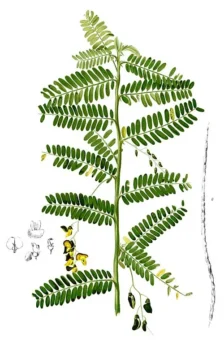
Egyptian Riverhemp: A Fast-Growing Tropical Shrub for Quick Garden Solutions
Looking for a shrub that grows faster than your weekend plans change? Meet Egyptian riverhemp (Sesbania sesban), a hardworking plant that’s been making itself at home in tropical gardens across Hawaii, Puerto Rico, and the U.S. Virgin Islands. While it might not be a native to these islands, this African transplant has some interesting qualities that make gardeners take notice.
What Exactly Is Egyptian Riverhemp?
Egyptian riverhemp, also simply called sesbania, is a perennial shrub that typically grows 13 to 16 feet tall, though it can stretch higher under the right conditions. Picture a multi-stemmed woody plant with delicate, feathery compound leaves and cheerful yellow flowers that look like tiny pea blossoms – because that’s exactly what they are! This plant belongs to the legume family and has that characteristic pea-flower shape that pollinators absolutely love.
Originally hailing from tropical Africa, particularly along the Nile Valley, this shrub has adapted remarkably well to island life in warmer climates.
Where You’ll Find It Growing
Egyptian riverhemp has established itself in Hawaii, Puerto Rico, and the U.S. Virgin Islands, where it reproduces on its own without any human help. It’s considered non-native in these locations but has naturalized successfully.
- Species observed
- No observations
The Good, The Bad, and The Practical
Let’s be honest about what you’re getting into with Egyptian riverhemp. This plant is the gardening equivalent of that friend who shows up uninvited but actually makes the party better – it wasn’t originally on the guest list, but it’s certainly making itself useful.
Why You Might Want It:
- Lightning-fast growth for quick screening or windbreaks
- Gorgeous yellow flowers that attract bees and other pollinators
- Drought-tolerant once established
- Excellent for erosion control on slopes
- Thrives in poor soils where other plants struggle
- Minimal maintenance required
Why You Might Think Twice:
- It’s not native to your area, so it won’t support local ecosystems as well as indigenous plants
- Can self-seed readily, potentially spreading beyond where you want it
- May not provide the same wildlife benefits as native alternatives
Growing Conditions and Care
Egyptian riverhemp is refreshingly low-maintenance, which explains why it’s managed to establish itself so successfully in new territories. It’s perfectly happy in USDA hardiness zones 9-11, making it ideal for consistently warm climates.
This shrub loves full sun and isn’t picky about soil quality – in fact, it seems to thrive in conditions that would make other plants throw in the trowel. It has an interesting relationship with water too: in the Caribbean, it typically grows in wetland areas, while in Hawaii, it prefers drier upland locations. Talk about adaptable!
Planting and Care Tips
Growing Egyptian riverhemp is almost embarrassingly easy:
- Start from seeds for the most economical approach
- Plant in full sun for best flowering
- Don’t worry too much about soil preparation – it’s not fussy
- Water regularly during establishment, then step back and let it do its thing
- Prune as needed to maintain desired size and shape
- Keep an eye on self-seeding if you don’t want it spreading
Consider Native Alternatives
While Egyptian riverhemp can certainly fill a gap in your landscape, consider exploring native shrubs that could provide similar benefits while supporting local wildlife. Native plants have co-evolved with local pollinators, birds, and other wildlife, creating a more balanced ecosystem in your garden.
Check with your local extension office or native plant society for recommendations on indigenous shrubs that offer fast growth, attractive flowers, and erosion control in your specific area.
The Bottom Line
Egyptian riverhemp is like that reliable friend who’s always ready to help out – it’ll grow quickly, look decent, and ask for very little in return. While it’s not going to win any awards for supporting local ecosystems, it can be a practical solution for challenging spots where you need fast results. Just remember to keep an eye on its enthusiasm for self-seeding, and consider balancing your landscape with native plants that truly belong in your local environment.