Egyptian Thorn: Why This Non-Native Tree Isn’t Right for Your Garden
If you’ve come across the Egyptian thorn (Vachellia nilotica) and wondered whether it might make a good addition to your landscape, we need to have a serious chat. While this African native might look appealing with its feathery foliage and bright yellow flowers, there are some important reasons why you should steer clear of planting this particular species in your garden.
What is Egyptian Thorn?
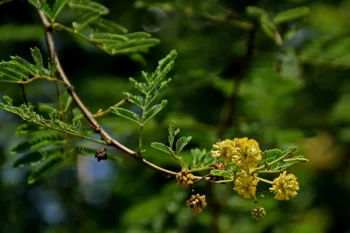
Egyptian thorn, also known as the gum arabic tree, is a perennial shrub that typically grows as a multi-stemmed woody plant reaching 13 to 16 feet in height, though it can grow taller under certain conditions. This thorny character sports an umbrella-shaped canopy with delicate, compound leaves and produces fragrant, ball-shaped yellow flowers that are quite the bee magnet.
You might also see this plant listed under its former scientific names, including Acacia arabica or Acacia nilotica, as botanical classifications have shifted over the years.
Where Does It Grow?
Originally hailing from Africa (particularly the Nile Valley region) and parts of the Middle East, Egyptian thorn has made its way to warmer parts of the United States. Currently, it’s established in Puerto Rico and the U.S. Virgin Islands, where it reproduces on its own without any human help and tends to stick around.
- Species observed
- No observations
The Big Red Flag: Noxious Weed Status
Here’s where things get serious: Egyptian thorn is officially listed as a noxious weed in the United States. This isn’t just a casual suggestion to avoid it—this is a plant that authorities have identified as problematic enough to warrant legal restrictions. Noxious weeds can:
- Outcompete native plants for resources
- Alter local ecosystems
- Be difficult or expensive to remove once established
- Potentially harm livestock or wildlife
Why You Shouldn’t Plant Egyptian Thorn
Beyond its noxious status, there are several practical reasons to avoid this plant. Those thorns aren’t just for show—they’re sharp and can make maintenance a painful experience. While the tree is drought-tolerant and can handle poor soils (which might sound appealing), these same qualities help it spread and establish where it’s not wanted.
The plant thrives in USDA hardiness zones 9-11, preferring full sun and well-draining soils. Once established, it requires minimal water, which unfortunately makes it quite persistent in areas where it’s not welcome.
Better Alternatives for Your Garden
Instead of risking the ecological and legal complications of planting Egyptian thorn, consider these native alternatives that can provide similar benefits:
- For shade and ornamental value, look into native trees appropriate for your specific region
- For drought-tolerant landscaping, explore native succulents and desert-adapted plants
- For pollinator gardens, choose native flowering shrubs and perennials
Your local native plant society or cooperative extension office can help you identify the best native options for your specific location and garden goals.
The Bottom Line
While Egyptian thorn might seem like an attractive, low-maintenance option for warm-climate gardens, its noxious weed status makes it a no-go for responsible gardeners. The potential ecological impact and legal issues simply aren’t worth the risk, especially when there are so many wonderful native alternatives that can provide similar aesthetic and functional benefits without the baggage.
Remember, the best gardens work with nature, not against it. By choosing plants that belong in your local ecosystem, you’ll create a landscape that’s not only beautiful but also supportive of local wildlife and sustainable for years to come.