Elaeagnus Willow: A European Beauty for North American Gardens
If you’re looking for a graceful tree with distinctive silvery foliage, the Elaeagnus willow (Salix elaeagnos) might catch your eye. This European native has found its way into North American landscapes, bringing a touch of alpine elegance to gardens from Maine to South Carolina. But before you add this non-native beauty to your yard, let’s explore what makes this willow special and whether it’s the right choice for your garden.
What is Elaeagnus Willow?
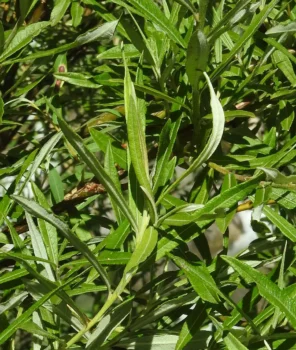
The Elaeagnus willow is a perennial tree that typically grows as a single-trunked specimen, reaching heights of 13-16 feet or more under ideal conditions. Sometimes called by its synonym Salix incana, this willow stands out from its relatives with its narrow, silvery-gray leaves that have distinctly woolly undersides. The contrast between the dark green upper surface and silvery lower surface creates a shimmering effect when the wind moves through the branches.
Where Does It Grow?
Originally from the mountainous regions of central and southern Europe, particularly the Alps and Pyrenees, this willow has established itself in several North American locations. You can find it growing in Ontario, Quebec, Connecticut, Maine, Maryland, Massachusetts, New York, South Carolina, and Wisconsin. It’s worth noting that as a non-native species, it has naturalized in these areas and reproduces without human intervention.
- Species observed
- No observations
Garden Appeal and Landscape Role
What draws gardeners to the Elaeagnus willow? Several factors make it appealing:
- Distinctive silvery foliage that adds textural interest
- Graceful, often weeping growth habit
- Early spring catkins that provide seasonal interest
- Tolerance for challenging growing conditions
In landscape design, this willow works well as a specimen tree, particularly near water features where its graceful form can be reflected. It’s also useful for erosion control on slopes and can serve as an effective windbreak in larger landscapes.
Growing Conditions and Care
The Elaeagnus willow is quite adaptable, which explains its success as an introduced species. It thrives in USDA hardiness zones 4-7 and shows remarkable flexibility in its growing requirements:
- Soil: Prefers moist to wet conditions but tolerates poor soils
- Light: Full sun to partial shade
- Water: Naturally suited to wetland conditions but adaptable
According to wetland classifications, this willow usually occurs in wetland environments across most regions, though it can adapt to drier sites. This makes it particularly suitable for rain gardens, pond edges, and other moisture-rich areas of your landscape.
Planting and Care Tips
If you decide to plant an Elaeagnus willow, here’s how to give it the best start:
- Choose a location with consistent moisture, especially during the establishment period
- Plant in spring after the last frost for best results
- Water regularly during the first growing season
- Minimal pruning is needed, but remove any dead or damaged branches in late winter
- Mulch around the base to retain moisture and suppress weeds
Wildlife and Pollinator Benefits
Like many willows, the Elaeagnus willow provides early-season resources for pollinators. Its spring catkins offer nectar and pollen when few other plants are blooming, making it valuable for bees and other pollinating insects. The tree may also provide nesting sites and shelter for various bird species.
Should You Plant It?
While the Elaeagnus willow isn’t classified as invasive or noxious, it is a non-native species that has naturalized in North America. If you’re drawn to its unique characteristics, it can certainly be a beautiful addition to the right garden setting. However, you might also consider native willow alternatives that provide similar benefits while supporting local ecosystems more directly.
Native alternatives to consider include:
- Black willow (Salix nigra) for wet areas
- Pussy willow (Salix discolor) for early spring interest
- Weeping willow (Salix babylonica) for graceful form, though this is also non-native
The Bottom Line
The Elaeagnus willow offers distinctive beauty and adaptability that can enhance the right landscape setting. Its silvery foliage and graceful form make it an attractive choice for water gardens, naturalistic landscapes, and areas where you want to add textural interest. Just remember that as a non-native species, it’s worth considering whether a native alternative might better serve both your garden goals and local wildlife. Whatever you choose, make sure it fits your site conditions and maintenance preferences for the best long-term success.