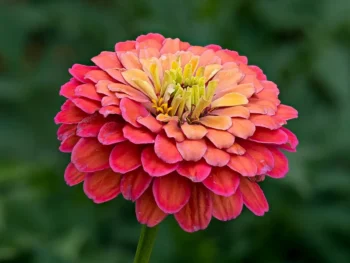
Elegant Zinnia: A Colorful Non-Native Annual for Your Garden
If you’re looking to add a splash of vibrant color to your garden beds or containers, the elegant zinnia (Zinnia violacea) might catch your eye. This cheerful annual has been brightening American gardens for generations, though it’s worth understanding both its benefits and its non-native origins before deciding if it’s right for your landscape.
What Is Elegant Zinnia?
Elegant zinnia, scientifically known as Zinnia violacea, is a charming annual flower that belongs to the sunflower family. You might also see it listed under its synonyms Crassina elegans or Zinnia elegans in older gardening references. This non-native species has made itself at home across various parts of the United States, where it reproduces spontaneously and persists without human intervention.
As an annual forb herb, elegant zinnia completes its entire life cycle in one growing season. It’s a vascular plant without woody tissue, meaning it stays soft and herbaceous throughout its growth period.
Where Does It Grow?
Originally native to Mexico and Central America, elegant zinnia has established populations across several U.S. states. You’ll find it growing in Connecticut, Florida, Georgia, Kentucky, Louisiana, Mississippi, North Carolina, Ohio, Pennsylvania, South Carolina, Utah, Puerto Rico, and the U.S. Virgin Islands.
- Species observed
- No observations
Garden Appeal and Landscape Role
What makes elegant zinnia so appealing to gardeners? These plants produce eye-catching, daisy-like flowers in a delightful range of colors including purple, pink, red, and white. Their compact growth habit makes them incredibly versatile in the garden landscape.
Elegant zinnias work beautifully in several garden settings:
- Border plantings for defined edges
- Container gardens on patios and decks
- Cutting gardens for fresh bouquets
- Bedding displays for mass color impact
- Cottage garden style plantings
Benefits for Pollinators and Wildlife
One of the strongest arguments for including elegant zinnia in your garden is its pollinator appeal. These flowers are magnets for butterflies, bees, and other beneficial insects. The open flower structure makes nectar and pollen easily accessible, supporting local pollinator populations throughout the growing season.
Growing Conditions and Care
Elegant zinnias are relatively easy-going plants that thrive in full sun locations with well-draining soil. They prefer moderate water levels – not too wet, not too dry. These plants can be grown as annuals in USDA hardiness zones 2-11, making them suitable for gardens across most of the United States.
For successful growing:
- Plant in full sun (6+ hours of direct sunlight)
- Ensure well-draining soil to prevent root problems
- Water regularly but avoid overwatering
- Deadhead spent flowers to encourage continued blooming
- Direct seed after all danger of frost has passed
Should You Plant Elegant Zinnia?
The decision to plant elegant zinnia comes down to your gardening priorities. While this species isn’t currently listed as invasive or noxious, it is non-native and has established wild populations in multiple states. If you choose to grow it, you’ll enjoy reliable color, pollinator benefits, and relatively low-maintenance plants.
However, if supporting native ecosystems is important to you, consider exploring native alternatives that can provide similar garden benefits. Native wildflowers and annuals often offer even greater value to local wildlife while requiring less maintenance once established.
The Bottom Line
Elegant zinnia can be a lovely addition to gardens where colorful annual flowers are desired. Its pollinator appeal and easy-care nature make it a practical choice for many gardeners. Just remember to deadhead regularly, provide good drainage, and consider how non-native plants fit into your overall gardening philosophy. Whether you choose elegant zinnia or explore native alternatives, the most important thing is creating a garden space that brings you joy while supporting the broader ecosystem.