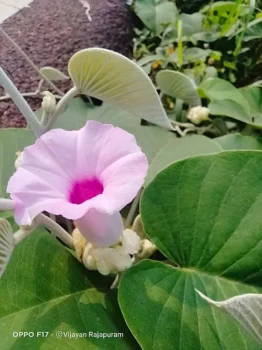
Elephant Creeper: A Tropical Climbing Vine with Striking Foliage
If you’ve ever dreamed of transforming your garden into a tropical paradise, you might have come across elephant creeper (Argyreia nervosa). This vigorous climbing vine, also known by its botanical name Argyreia nervosa, is quite the attention-grabber with its distinctive heart-shaped leaves and colorful blooms. But before you rush to plant one, let’s explore what makes this vine tick and whether it’s the right choice for your garden.
What Is Elephant Creeper?
Elephant creeper is a perennial forb herb—essentially a vascular plant without significant woody tissue above ground. Don’t let the herb classification fool you; this plant can grow into quite the sprawling vine! Originally native to the Indian subcontinent and Southeast Asia, this non-native species has made itself at home in several warm-climate regions of the United States.
Where Does It Grow?
Currently, elephant creeper has established populations in Florida, Hawaii, and Puerto Rico, where it reproduces spontaneously in the wild and tends to persist without human intervention. This adaptability speaks to both its hardiness and its potential to spread beyond cultivation.
- Species observed
- No observations
The Appeal: Why Gardeners Love (and Sometimes Regret) Elephant Creeper
There’s no denying that elephant creeper has serious visual appeal. Here’s what draws gardeners to this vine:
- Large, silvery-green, heart-shaped leaves that create dense coverage
- Beautiful trumpet-shaped flowers in shades of pink to purple
- Fast growth rate that quickly covers fences, arbors, and walls
- Attracts butterflies, bees, and other pollinators to the garden
Growing Conditions and Care
Elephant creeper thrives in USDA hardiness zones 9-11, making it suitable only for the warmest parts of the United States. If you live in a cooler climate, you might be able to grow it in a heated conservatory or as a houseplant, though it won’t reach its full potential.
This vine prefers:
- Full sun to partial shade
- Well-draining soil
- Regular watering, especially during dry periods
- Warm temperatures year-round
- Strong support structures for climbing
The Reality Check: Things to Consider
While elephant creeper can be a stunning addition to tropical gardens, there are some important considerations:
- Its vigorous growth can quickly overwhelm other plants if not managed
- As a non-native species, it doesn’t provide the same ecological benefits as native plants
- It may require frequent pruning to keep it in bounds
- In suitable climates, it can self-seed and spread beyond your intended planting area
Native Alternatives Worth Considering
Before committing to elephant creeper, consider these native climbing alternatives that offer similar benefits while supporting local ecosystems:
- Coral honeysuckle (Lonicera sempervirens) – Native vine with tubular red flowers
- American groundnut (Apios americana) – Native climber with fragrant purple flowers
- Virgin’s bower (Clematis virginiana) – Native clematis with white, fragrant blooms
Planting and Care Tips
If you decide to grow elephant creeper, here’s how to give it the best start:
- Plant in spring after the last frost date
- Provide sturdy support structures from the beginning
- Water regularly but avoid waterlogged soil
- Prune regularly to maintain size and prevent excessive spreading
- Monitor for self-seeding and remove unwanted seedlings promptly
- Consider growing it in large containers to limit its spread
The Bottom Line
Elephant creeper can be a spectacular addition to tropical and subtropical gardens, offering quick coverage and striking beauty. However, its non-native status and vigorous growth habit mean it requires thoughtful consideration and responsible management. If you’re looking to support local wildlife and ecosystems, native alternatives might be a better choice. Whatever you decide, remember that the best garden plants are those that align with both your aesthetic goals and your environmental values.