Emperor’s Candlesticks: A Tropical Showstopper for Warm Climate Gardens
If you’re looking to add a touch of tropical flair to your garden, emperor’s candlesticks (Senna alata) might just light up your landscape—literally! This striking shrub gets its common name from its distinctive bright yellow flower spikes that stand tall like glowing candles, creating quite the spectacle in any warm-climate garden.
What Is Emperor’s Candlesticks?
Emperor’s candlesticks is a perennial shrub that can grow 4-5 meters (13-16 feet) tall under ideal conditions, though it typically stays smaller in cultivation. Also known by its botanical name Senna alata, this plant was formerly classified as Cassia alata. Don’t let the fancy names fool you—this is one garden performer that knows how to steal the show!
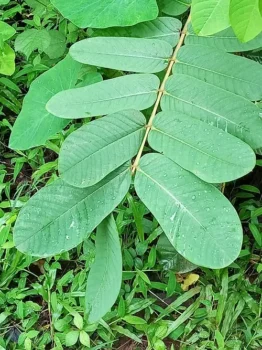
The plant features large, compound leaves that create a lush, tropical backdrop for its star attraction: towering spikes of bright golden-yellow flowers that bloom in late summer and fall. These flower clusters can reach up to a foot long, making them impossible to ignore in the landscape.
Where Does It Come From?
While emperor’s candlesticks has made itself at home in many warm regions, it’s not originally from North America. This tropical beauty hails from Central and South America but has established itself across the southern United States. You’ll find it growing in Alabama, California, Florida, Hawaii, Louisiana, Mississippi, Oklahoma, Texas, and several U.S. territories including Guam, Palau, Puerto Rico, and the Virgin Islands.
- Species observed
- No observations
Should You Plant Emperor’s Candlesticks?
Here’s where things get interesting. Emperor’s candlesticks is what we call a naturalized plant—it’s not native to North America, but it’s not considered invasive either. This puts it in a gray area that many gardeners navigate thoughtfully.
Reasons you might love it:
- Spectacular fall flower display that attracts butterflies and bees
- Fast-growing and relatively easy to care for
- Adds instant tropical appeal to gardens
- Blooms when many other plants are winding down for the season
- Can be grown in containers in cooler climates
Things to consider:
- Only suitable for warm climates (USDA zones 9-11)
- Can self-seed readily in ideal conditions
- May not support native wildlife as well as indigenous plants
Growing Emperor’s Candlesticks Successfully
If you decide to welcome this tropical charmer into your garden, here’s how to keep it happy:
Location and Light: Choose a spot with full sun to partial shade. These plants love warmth and light, so the more sun, the better the flower display.
Soil Requirements: Well-draining soil is essential. Emperor’s candlesticks can tolerate various soil types but doesn’t appreciate soggy feet. According to wetland status data, it typically prefers non-wetland conditions, though it can adapt to some moisture.
Planting: In zones 9-11, you can plant emperor’s candlesticks year-round, but spring planting gives it the best start. In cooler areas, treat it as an annual and plant after the last frost date.
Watering: Regular watering during the growing season keeps this shrub looking its best, but don’t overwater. Allow soil to dry slightly between waterings.
Maintenance: Prune lightly after flowering to maintain shape. Deadheading spent flowers can encourage more blooms and prevent excessive self-seeding.
Garden Design Ideas
Emperor’s candlesticks works beautifully as:
- A focal point in tropical-themed gardens
- Background plantings in mixed borders
- Container specimens on patios and decks
- Butterfly garden centerpieces
- Late-season color providers when other plants are fading
Consider Native Alternatives
While emperor’s candlesticks can be a stunning addition to warm-climate gardens, consider exploring native alternatives that provide similar benefits while supporting local ecosystems. Native plants often require less water, are better adapted to local conditions, and provide crucial habitat for native wildlife. Consult with local native plant societies or extension offices for recommendations specific to your region.
Whether you choose emperor’s candlesticks or a native alternative, the goal is creating a garden that brings you joy while being mindful of the broader ecosystem. After all, the best gardens are those that make both gardeners and local wildlife happy!