English Lavender: The Fragrant Mediterranean Beauty That’s Made Itself at Home
If you’ve ever caught a whiff of that unmistakable lavender scent wafting through a garden and felt instantly transported to the rolling hills of Provence, you’ve likely encountered English lavender (Lavandula angustifolia). Despite its common name suggesting British origins, this aromatic charmer actually hails from the sun-soaked Mediterranean region of southern Europe. But don’t let geography fool you – this adaptable perennial has found ways to thrive in select corners of North America.
What Exactly Is English Lavender?
English lavender is a compact, woody shrub that typically grows as a multi-stemmed perennial plant. You might also see it listed under its synonyms Lavandula officinalis, Lavandula spica, or Lavandula vera in older gardening references. This fragrant beauty usually stays well-behaved in the garden, rarely exceeding 4-5 feet in height, making it perfect for borders and smaller spaces.
Where Does It Grow Wild?
As a non-native species, English lavender has naturalized in just a couple of U.S. states – specifically New York and Vermont. Here, it reproduces on its own without human intervention and has established self-sustaining populations. While it’s not native to North American ecosystems, it hasn’t been classified as invasive or noxious in these areas.
- Species observed
- No observations
The Appeal Factor: Why Gardeners Fall in Love
English lavender brings serious visual and sensory appeal to any garden space:
- Stunning purple flower spikes that bloom from early to mid-summer
- Silvery-green foliage that looks attractive year-round
- Intoxicating fragrance that perfumes the entire garden
- Compact, mounded growth habit that works well in formal and informal designs
- Excellent cut flower and dried flower potential
Garden Design Magic
English lavender shines in several garden settings. It’s a natural fit for Mediterranean-style gardens, herb gardens, and cottage garden designs. The plant works beautifully as a border edging, creates stunning mass plantings, and makes an excellent specimen for fragrance gardens. Its drought tolerance also makes it a smart choice for xeriscapes and water-wise landscapes.
Pollinator Paradise
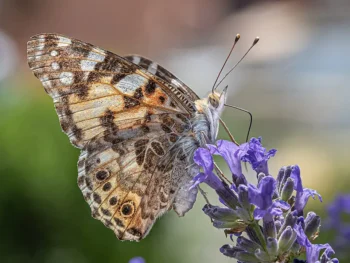
Here’s where English lavender really earns its keep – pollinators absolutely adore it! Bees go crazy for the nectar-rich flowers, butterflies flutter around the blooms, and various beneficial insects call it home. If you’re looking to support pollinator populations, this plant delivers in spades.
Growing Conditions and Care
English lavender thrives in USDA hardiness zones 5-9, making it suitable for a wide range of climates. Here’s what this Mediterranean native needs to flourish:
- Sunlight: Full sun (6+ hours daily)
- Soil: Well-draining soil is absolutely crucial – soggy roots spell disaster
- Water: Drought tolerant once established; actually prefers drier conditions
- Spacing: Plant 12-18 inches apart for proper air circulation
Planting and Care Tips
Spring is your best bet for planting English lavender. Here are some pro tips for success:
- Improve heavy clay soils with sand or gravel for better drainage
- Avoid over-watering – this plant actually suffers from too much moisture
- Prune lightly after flowering to maintain shape and encourage new growth
- In colder zones, provide winter protection with mulch around (not over) the plant
- Deadhead spent flowers to extend blooming period
The Native Alternative Consideration
While English lavender isn’t problematic in terms of invasiveness, native plant enthusiasts might consider exploring indigenous alternatives that provide similar benefits to local ecosystems. Native plants like wild bergamot (Monarda fistulosa) or native sages (Salvia species) can offer comparable pollinator benefits while supporting regional wildlife more effectively.
Bottom Line
English lavender makes a delightful addition to gardens where its growing requirements can be met. Its combination of beauty, fragrance, and pollinator appeal makes it easy to understand why gardeners have embraced this Mediterranean transplant. Just remember to give it the sun and drainage it craves, and you’ll be rewarded with years of aromatic blooms and that signature lavender charm that makes every garden feel a little more magical.