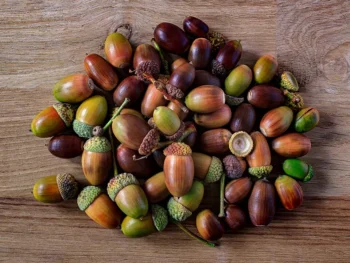
English Oak: A Majestic European Giant for Large Landscapes
The English oak (Quercus robur) stands as one of Europe’s most iconic trees, and it has found its way into North American landscapes where gardeners have the space to accommodate its impressive size. While this stately deciduous tree isn’t native to our continent, it has established itself in various regions and continues to capture hearts with its classic oak appeal.
What Exactly Is English Oak?
English oak is a perennial, woody tree that typically grows as a single-stemmed giant, usually reaching heights well over 13-16 feet at maturity. This European native brings Old World charm to any landscape lucky enough to house it, though it’s definitely not a plant for small spaces!
Where You’ll Find English Oak Growing
As a non-native species, English oak has been introduced to North America and now reproduces spontaneously in the wild in several regions. You can find established populations in Canadian provinces including British Columbia, New Brunswick, Nova Scotia, Ontario, and Prince Edward Island. In the United States, it has naturalized in Maine, Massachusetts, New Hampshire, New York, Ohio, Pennsylvania, and Rhode Island.
- Species observed
- No observations
The Appeal Factor: Why Gardeners Love This Tree
There’s something undeniably majestic about an English oak. These trees develop a broad, spreading crown that provides excellent shade, making them perfect specimen trees for large properties. Their distinctive lobed leaves create beautiful texture throughout the growing season, and come fall, they transform into warm golden-brown tones that add seasonal interest to the landscape.
The classic oak silhouette – with its sturdy trunk and wide-spreading branches – evokes images of ancient European forests and adds instant maturity and gravitas to any setting.
Growing Conditions and Care
English oak is surprisingly adaptable, which probably explains its success in various North American climates. Here’s what this tree needs to thrive:
- Sunlight: Full sun exposure for best growth and form
- Soil: Well-drained soils, but tolerates various soil types
- Space: Lots of it! This tree needs room to spread
- Climate: Hardy in USDA zones 4-8
Planting and Care Tips
If you’re considering adding an English oak to your landscape, here are some essential care guidelines:
- Choose your location carefully – this tree will be there for generations
- Provide deep, regular watering during the establishment period
- Minimal pruning is needed; focus on removing damaged or crossing branches
- Be patient – oaks are notoriously slow-growing but incredibly long-lived
Wildlife and Pollinator Benefits
While English oak is wind-pollinated rather than insect-pollinated, mature trees provide valuable habitat for various wildlife species. The broad canopy offers nesting sites for birds, and the tree supports numerous insects that in turn feed other wildlife.
Is English Oak Right for Your Garden?
English oak works best for:
- Large residential properties with plenty of space
- Parks and public spaces
- Estate-style landscapes
- Areas where you want a long-term, low-maintenance shade tree
However, it’s not suitable for small yards, urban gardens with limited space, or areas where you need quick results.
Consider Native Alternatives
While English oak can be a beautiful addition to appropriate landscapes, consider exploring native oak species that might offer similar aesthetic appeal while supporting local ecosystems more effectively. Native oaks like white oak, red oak, or regional species specific to your area often provide superior wildlife habitat and are better adapted to local growing conditions.
Whether you choose English oak or a native alternative, you’ll be adding a tree that can provide beauty, shade, and wildlife habitat for generations to come. Just make sure you have the space – and patience – that these magnificent trees deserve!