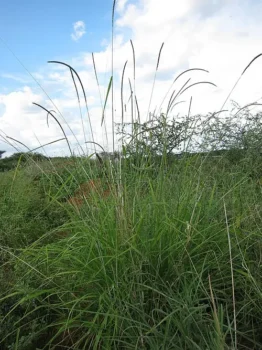
Enteropogon macrostachyus: A Little-Known African Grass
If you’ve stumbled across the name Enteropogon macrostachyus in your plant research, you’re likely wondering what exactly this mysterious grass is all about. Well, you’re not alone – this particular species is something of an enigma in the gardening world, with very little information available for home gardeners.
What is Enteropogon macrostachyus?
Enteropogon macrostachyus is a grass species that belongs to the Poaceae family – the same family that includes familiar lawn grasses, ornamental grasses, and cereal crops. You might also see it referenced under its botanical synonyms: Chloris macrostachya, Enteropogon macrostachya, or Enteropogon simplex. Despite these multiple names, don’t expect to find a common name for this plant – it simply doesn’t have one that’s widely recognized.
Where Does It Come From?
This grass species originates from Eastern and Southern Africa, particularly in regions around Ethiopia. It’s adapted to the climate and growing conditions of that part of the world, which means it’s quite different from the native grasses you’d find in North American prairies or meadows.
Should You Plant It?
Here’s where things get a bit tricky. While Enteropogon macrostachyus isn’t classified as invasive or noxious, there’s precious little information available about how to actually grow it successfully in garden settings. We don’t have solid data on:
- Specific growing conditions it prefers
- USDA hardiness zones where it might thrive
- Planting and care requirements
- Its role in landscape design
- Benefits to pollinators or wildlife
- Expected size and growth rate
Better Alternatives for Your Garden
Given the lack of cultivation information for Enteropogon macrostachyus, you might want to consider native grass alternatives that are well-documented and proven in garden settings. Depending on your location, you might look into:
- Native prairie grasses like little bluestem or buffalo grass
- Regional sedges that provide similar texture
- Well-documented ornamental grasses suited to your climate zone
The Bottom Line
While Enteropogon macrostachyus might sound intriguing, it’s essentially a plant without a gardening playbook. Unless you’re a botanical researcher or someone with very specific expertise in African grasses, you’re probably better off choosing grass species with proven track records in cultivation. There are plenty of beautiful, well-documented native and adapted grasses that can provide the aesthetic and ecological benefits you’re looking for without the guesswork.
Sometimes the most honest advice is the simplest: when a plant lacks basic growing information, it’s usually best to stick with species that have stood the test of time in gardens and landscapes.