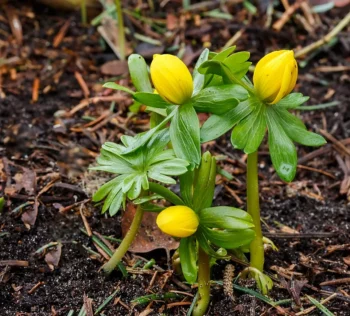
Eranthis: The Cheerful Winter Bloomer That Brightens Cold Days
When winter feels endless and your garden looks like a barren wasteland, along comes eranthis to save the day! This plucky little perennial, also known as Winter Aconite, pushes bright yellow flowers right through the snow, giving gardeners that first precious hint that spring isn’t just a distant dream.
What Exactly is Eranthis?
Eranthis is a low-growing herbaceous perennial that belongs to the buttercup family. As a forb, it lacks woody stems but makes up for it with serious flower power. This European and Asian native has made itself quite at home in North America, where it’s become a beloved early-season bloomer despite not being native to our shores.
Where You’ll Find Eranthis Growing
In North America, eranthis has established populations across several states and provinces. You’ll find it thriving in Ontario, Delaware, Washington D.C., Illinois, Kentucky, New Jersey, New York, North Carolina, Ohio, Pennsylvania, and Virginia. It tends to naturalize in areas with conditions similar to its European homeland.
- Species observed
- No observations
The Garden Appeal: Why Gardeners Love (and Plant) Eranthis
There’s something almost magical about seeing bright yellow flowers poking through snow in February or March. Eranthis delivers this winter miracle with:
- Brilliant golden-yellow, buttercup-like flowers that appear in late winter
- Compact growth habit, typically reaching 3-4 inches tall
- Ability to naturalize and form cheerful colonies over time
- Extremely early bloom time when few other plants are flowering
- Attractive, deeply-cut foliage that creates a nice carpet effect
Perfect Garden Spots for Eranthis
Eranthis works beautifully in several garden settings:
- Woodland gardens: Naturalizes under deciduous trees where it gets spring sun before leaves emerge
- Rock gardens: Adds early color to stone plantings
- Naturalized areas: Perfect for creating drifts of early spring color
- Mixed perennial borders: Provides interest before other perennials wake up
Growing Conditions: What Makes Eranthis Happy
The good news is that eranthis isn’t particularly fussy. Here’s what it prefers:
- Light: Partial shade to full sun (remembers, it blooms before trees leaf out)
- Soil: Well-drained soil of almost any type
- Water: Moderate moisture in spring, tolerates summer drought when dormant
- Climate: Hardy in USDA zones 3-7
Planting and Care Tips
Getting eranthis established is straightforward, but timing matters:
- When to plant: Fall planting is essential for spring blooms
- Planting depth: Plant tubers 2-3 inches deep
- Spacing: Space tubers 3-4 inches apart for natural-looking drifts
- Soil prep: Ensure good drainage to prevent tuber rot
- Maintenance: Virtually none once established – let foliage die back naturally
Wildlife and Pollinator Benefits
One of eranthis’s strongest selling points is its value to early pollinators. When almost nothing else is blooming, these sunny flowers provide crucial nectar for bees, beneficial insects, and other pollinators emerging from winter dormancy. It’s like opening the first restaurant in town after a long famine!
A Word About Native Alternatives
While eranthis isn’t invasive and makes a lovely garden addition, native plant enthusiasts might consider these North American alternatives for early spring color:
- Bloodroot (Sanguinaria canadensis)
- Spring Beauty (Claytonia virginica)
- Sharp-lobed Hepatica (Anemone acutiloba)
- Wild Ginger (Asarum canadense)
The Bottom Line on Eranthis
Eranthis earns its place in gardens through sheer cheerfulness and perfect timing. While it’s not native to North America, it’s not considered invasive either, making it a reasonable choice for gardeners who want reliable early spring color. Just remember that this little charmer disappears completely by summer, so plant it where other perennials can fill in the space later in the season.
Whether you choose eranthis or native alternatives, the important thing is getting some early spring bloomers in your garden. Trust us – when you’re suffering from winter garden blues, you’ll be grateful for any flower brave enough to bloom in the snow!