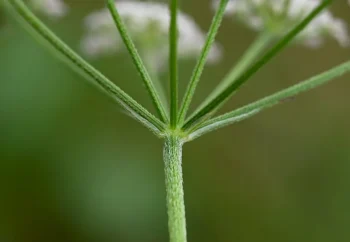
Erect Hedgeparsley: Why This Invasive Plant Should Stay Out of Your Garden
If you’ve spotted delicate white flower clusters and lacy foliage along woodland edges or disturbed areas, you might be looking at erect hedgeparsley (Torilis japonica). While this annual forb might seem charming at first glance, don’t let its delicate appearance fool you – this non-native species is an aggressive invader that’s causing serious problems for native ecosystems across North America.
What Is Erect Hedgeparsley?
Erect hedgeparsley is an annual forb, meaning it’s a non-woody plant that completes its life cycle in one year. Originally from East Asia, including Japan, Korea, and China, this invasive species has established itself across much of North America, where it reproduces freely in the wild without any human assistance.
Where You’ll Find It (Unfortunately)
This invasive plant has spread extensively across North America, establishing populations in numerous states and provinces including Alabama, California, Illinois, Michigan, New York, Pennsylvania, Texas, Virginia, and many others. It’s also present in several Canadian provinces including British Columbia, Ontario, and Quebec.
- Species observed
- No observations
The Problem with Erect Hedgeparsley
Here’s why this plant is such bad news for your garden and local ecosystems:
- Invasive status: Wisconsin has classified it as prohibited/restricted, meaning it’s recognized as a serious ecological threat
- Aggressive spreader: It quickly colonizes disturbed areas and woodland edges, pushing out native plants
- Dense colonies: Forms thick stands that crowd out beneficial native species
- Ecological disruption: Displaces plants that native wildlife depend on for food and habitat
Growing Conditions (That Make It So Troublesome)
Part of what makes erect hedgeparsley such a successful invader is its adaptability. This plant thrives in:
- USDA hardiness zones 4-9
- Partial shade to full sun conditions
- Various soil types and conditions
- Disturbed areas, woodland edges, and roadsides
- Areas with moderate moisture levels
Why You Should Never Plant It
Even though erect hedgeparsley produces small white flowers that attract some insects, any potential pollinator benefits are far outweighed by the ecological damage it causes. When invasive plants take over, they create ecological deserts where native wildlife can’t find the specific plants they need to survive.
Better Native Alternatives
Instead of risking the spread of this invasive species, consider these beautiful native alternatives that provide similar aesthetic appeal while supporting local ecosystems:
- Wild carrot (Queen Anne’s lace) – Similar white umbrella-shaped flowers
- Wild bergamot – Excellent pollinator plant with clustered flowers
- Native asters – Late-season bloomers that support beneficial insects
- Yarrow – Delicate foliage and long-lasting white flowers
What to Do If You Find It
If you discover erect hedgeparsley on your property, the best course of action is removal. Since it’s an annual, preventing it from going to seed is crucial. Hand-pulling before it flowers is most effective, and be sure to dispose of plant material properly – don’t compost it!
The Bottom Line
While erect hedgeparsley might look innocent enough, this invasive annual is anything but garden-friendly. Its aggressive nature and ability to displace native plants make it a poor choice for any landscape. Instead, choose native alternatives that will provide beauty while supporting the local ecosystem. Your garden – and your local wildlife – will thank you for making the responsible choice.