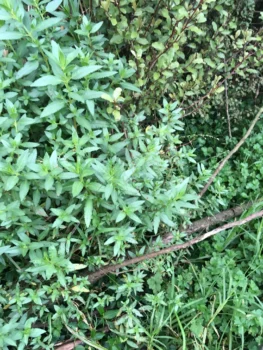
Erect Seaberry: A Coastal Garden Companion Worth Considering
If you’re looking for a low-maintenance shrub that can handle coastal conditions with style, you might want to get acquainted with the erect seaberry (Haloragis erecta). This unassuming perennial shrub has been quietly making itself at home in California gardens, bringing a touch of understated elegance to landscapes that need plants tough enough to handle challenging growing conditions.
What Exactly Is Erect Seaberry?
Erect seaberry is a perennial shrub that typically grows as a multi-stemmed woody plant, usually staying under 13-16 feet in height. Originally hailing from Australia and New Zealand, this plant has found its way to California, where it’s established itself as a non-native species that reproduces on its own in the wild.
The plant produces delicate white to pinkish flowers arranged in spikes, creating a fine-textured appearance that adds subtle beauty rather than bold drama to the landscape. Don’t expect fireworks – this is more of a quiet sophistication kind of plant.
Where You’ll Find It Growing
In the United States, erect seaberry has made California its home, particularly thriving in coastal areas where it can take advantage of the Mediterranean-like climate.
- Species observed
- No observations
Garden Role and Landscape Potential
Erect seaberry works well as a ground cover or low shrub, particularly in coastal gardens and Mediterranean-style landscapes. Its fine texture and modest height make it useful for:
- Filling in gaps between larger shrubs
- Creating textural contrast in mixed plantings
- Providing year-round structure in informal garden designs
- Adding interest to areas that need drought-tolerant solutions
Growing Conditions and Care
One of erect seaberry’s strongest selling points is its adaptability to challenging conditions. Here’s what it needs to thrive:
Climate: Best suited for USDA hardiness zones 9-11, where it can handle both coastal conditions and inland heat.
Soil: Prefers well-draining soil and isn’t particularly fussy about soil type. Its facultative wetland status means it can handle both wet and dry conditions, though it generally prefers the drier side once established.
Sun exposure: Performs best in full sun to partial shade.
Water needs: Drought tolerant once established, making it perfect for water-wise gardening. It’s also salt tolerant, which explains its success in coastal areas.
Planting and Care Tips
Getting erect seaberry established is relatively straightforward:
- Plant in well-draining soil to prevent root rot
- Water regularly during the first year to help establishment
- Once established, water sparingly – this plant prefers to dry out between waterings
- Prune lightly after flowering to maintain shape and encourage bushier growth
- Minimal fertilization needed – too much can actually reduce flowering
Wildlife and Pollinator Benefits
While not a native plant, erect seaberry does provide some benefits to local wildlife. Its small flowers attract small pollinators including flies and small bees, contributing to the overall pollinator network in your garden.
Should You Plant Erect Seaberry?
Erect seaberry can be a practical choice for gardeners dealing with challenging coastal conditions, drought concerns, or areas where many other plants struggle. However, since it’s not native to North America, consider these factors:
The case for planting it: It’s tough, low-maintenance, and handles difficult conditions that challenge many other plants. If you need something reliable for a problem spot, it could be your answer.
Something to consider: As a non-native species, it won’t provide the same ecological benefits as plants that co-evolved with local wildlife. For the best environmental impact, consider native alternatives like coastal sagebrush (Artemisia californica) or coyote brush (Baccharis pilularis) for similar growing conditions.
Ultimately, erect seaberry is a perfectly acceptable choice for gardeners who need a reliable, low-maintenance shrub for challenging locations. Just remember that incorporating native plants alongside non-natives creates the richest, most beneficial garden ecosystem for local wildlife.