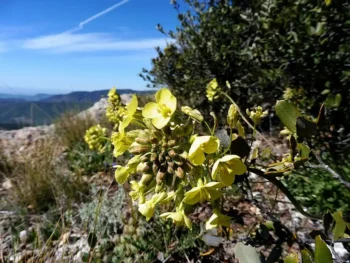
The Mysterious Erucastrum nasturtiifolium: A Little-Known Member of the Mustard Family
If you’ve stumbled across the name Erucastrum nasturtiifolium in your botanical wanderings, you’re likely looking at one of the more obscure members of the mustard family. This little-known plant is something of a botanical mystery, with limited information available even in scientific circles.
What We Know About This Elusive Plant
Erucastrum nasturtiifolium belongs to the Brassicaceae family, making it a relative of more familiar plants like cabbage, radishes, and mustard greens. You might also encounter it listed under its synonym, Sinapis nasturtiifolium Poir., in older botanical references.
Unfortunately, this plant doesn’t have established common names in English, which tells us something about how rarely it’s encountered in everyday gardening or even botanical study. When a plant lacks common names, it’s usually because it hasn’t played a significant role in human culture, agriculture, or horticulture.
Geographic Distribution and Native Status
Here’s where things get particularly murky. The geographic distribution and native range of Erucastrum nasturtiifolium are not well-documented in readily available sources. This lack of clear distribution data makes it difficult to determine where this plant naturally occurs or whether it might be appropriate for specific regional gardens.
Should You Grow Erucastrum nasturtiifolium?
Given the scarcity of information about this species, growing Erucastrum nasturtiifolium presents several challenges:
- Unknown growing requirements make successful cultivation difficult
- Unclear native status means we can’t determine its ecological appropriateness
- No documented wildlife or pollinator benefits
- Limited or no availability through typical nursery channels
- Unknown ornamental value or garden performance
Better Alternatives for Your Garden
If you’re interested in mustard family plants for your garden, consider these well-documented and beneficial alternatives:
- Native wild mustards specific to your region
- Native rockcresses (Arabis species)
- Watercress for wet areas
- Native wintercress species
The Takeaway
Erucastrum nasturtiifolium serves as a reminder that not every plant species is suited for garden cultivation. Sometimes, the most responsible approach is to appreciate that certain plants may be better left to their natural habitats – wherever those might be for this particular species.
If you’re passionate about growing diverse mustard family plants, focus on well-documented native species in your area that will provide known benefits to local wildlife while being easier to grow successfully. Your local native plant society or extension office can help you identify appropriate species that will thrive in your specific conditions.