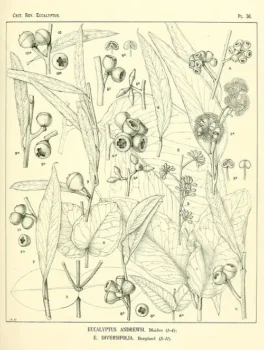
Eucalyptus andrewsii: A Mysterious Member of the Eucalyptus Family
If you’ve stumbled across the name Eucalyptus andrewsii in your plant research, you might be scratching your head wondering what exactly this species is all about. Well, you’re not alone! This particular eucalyptus appears to be one of those botanical mysteries that keeps even experienced gardeners guessing.
What We Know (And Don’t Know)
Here’s the honest truth about Eucalyptus andrewsii: reliable information about this specific species is surprisingly scarce. While the eucalyptus genus boasts over 800 species native to Australia, this particular name doesn’t appear in most standard botanical references or gardening guides.
This could mean a few things:
- It might be an extremely rare or localized species
- The name could be outdated or synonymous with another eucalyptus species
- It might be a misidentification or spelling variation
The Challenge of Unknown Origins
Without confirmed information about its native range, we can’t provide a geographic distribution map or specific growing recommendations. Most eucalyptus species hail from Australia, but each has its own unique habitat preferences and climate requirements.
Should You Plant It?
Given the uncertainty surrounding this species, we’d recommend being cautious. Here’s why:
- Unknown growing requirements make successful cultivation difficult
- Unclear native status means we can’t assess its ecological impact
- Lack of information about size, growth habit, or care needs
- Potential identification issues could lead to unexpected results
Better Alternatives to Consider
Instead of taking a gamble on this mysterious eucalyptus, consider these well-documented options:
- If you’re looking for native plants, research species native to your specific region
- For eucalyptus lovers, stick with well-known species like Eucalyptus gunnii or Eucalyptus parvula
- Consult with local native plant societies for region-appropriate recommendations
What to Do If You Encounter This Name
If you’ve seen Eucalyptus andrewsii listed somewhere, we recommend:
- Double-checking the source and botanical accuracy
- Consulting with botanical experts or your local extension office
- Looking for synonyms or alternative names
- Considering whether it might be a cultivar or hybrid
The Bottom Line
While we’d love to give you the complete growing guide for Eucalyptus andrewsii, the lack of reliable information makes it impossible to recommend this plant with confidence. In gardening, as in life, it’s better to go with what you know works rather than taking unnecessary risks with mysterious species.
If you’re passionate about eucalyptus trees, there are plenty of well-documented species to choose from. And if you’re committed to native gardening, focus on plants that are definitively native to your area. Your garden (and local ecosystem) will thank you for it!