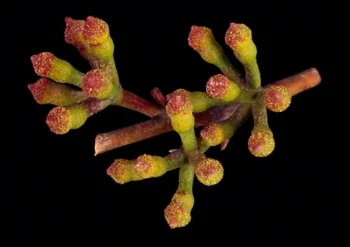
Eucalyptus apiculata: An Elusive Australian Native
If you’ve stumbled across the name Eucalyptus apiculata in your plant research, you might be scratching your head wondering exactly what this mysterious eucalyptus species is all about. Well, you’re not alone! This particular eucalyptus is something of an enigma in the gardening world, with limited information readily available about its characteristics and growing requirements.
What We Know About This Eucalyptus
Eucalyptus apiculata belongs to the vast family of Australian eucalyptus trees, which means it shares the basic DNA of those iconic, aromatic trees that Australia is famous for. Like its eucalyptus cousins, this species likely originated in Australia, though specific details about its native range and distribution are not well-documented in common horticultural resources.
The Mystery Factor
Here’s where things get interesting (and a bit frustrating for curious gardeners): Eucalyptus apiculata appears to be either extremely rare, poorly documented, or possibly misidentified in some plant databases. This lack of readily available information makes it challenging to provide specific growing advice or even confirm its current taxonomic status.
Should You Plant It?
Given the uncertainty surrounding this species, here are some things to consider:
- Limited information makes it difficult to predict how it will perform in your garden
- Unknown invasive potential means we can’t assess environmental risks
- Sourcing authentic plants may be extremely difficult or impossible
- Care requirements are largely unknown, making successful cultivation challenging
Better Alternatives to Consider
Instead of chasing this elusive eucalyptus, consider these options:
- Choose well-documented eucalyptus species with known growing requirements
- Explore native trees from your own region that provide similar aesthetic appeal
- Consult with local native plant societies for region-specific recommendations
- Work with reputable nurseries that specialize in native plants
If You Encounter This Plant
Should you come across a plant labeled as Eucalyptus apiculata, proceed with caution. Verify the identification with botanical experts, ensure it’s from a reputable source, and research any local regulations about planting non-native species in your area.
The Bottom Line
While the mystery of Eucalyptus apiculata might intrigue plant enthusiasts, the lack of reliable information makes it a risky choice for most gardeners. Your time and energy are better invested in well-documented species that you can grow with confidence, whether they’re native to your area or proven non-invasive alternatives.
Sometimes the most responsible gardening choice is knowing when to say maybe this one isn’t for me – and that’s perfectly okay!