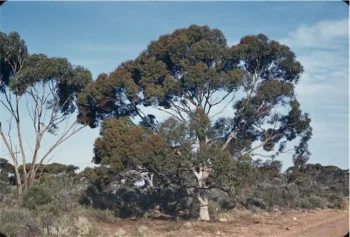
Eucalyptus brockwayi: The Mysterious Eucalyptus
If you’ve stumbled across the name Eucalyptus brockwayi in your plant research, you might be scratching your head wondering what exactly this species is all about. Don’t worry – you’re not alone! This particular eucalyptus is something of an enigma in the plant world, with limited information readily available to home gardeners.
What We Know (And Don’t Know)
Eucalyptus brockwayi belongs to the vast family of eucalyptus trees, which are primarily native to Australia. Like its more famous cousins, this species would typically be a dicot – a flowering plant with two seed leaves. However, beyond these basic botanical facts, detailed information about this specific species remains elusive.
The common name for this plant appears to be unrecorded in most standard references, which is unusual for eucalyptus species that are commonly cultivated. This lack of a widely-used common name might indicate that E. brockwayi is either quite rare, not widely cultivated, or possibly exists primarily in scientific collections.
Geographic Origins
While we can assume this eucalyptus species originates from Australia (as nearly all eucalyptus do), the specific native range of Eucalyptus brockwayi is not well-documented in accessible sources. This makes it difficult to predict how it might perform in different climates or what its natural habitat preferences might be.
Should You Plant It?
Here’s where things get a bit tricky. Without clear information about this species’ growth habits, invasive potential, or cultivation requirements, it’s challenging to make a solid recommendation either way. If you’re considering planting Eucalyptus brockwayi, here are some things to keep in mind:
- Limited availability: The scarcity of information suggests this species may be difficult to source
- Unknown hardiness: Without confirmed USDA zone information, cold tolerance is uncertain
- Potential size: Most eucalyptus species can grow quite large, so plan accordingly
- Water needs: Many eucalyptus species prefer well-draining soil but requirements vary
Better-Known Alternatives
If you’re drawn to eucalyptus trees for your landscape, you might consider more well-documented species instead. Some popular options include:
- Eucalyptus gunnii (Cider Gum) – known for attractive silvery foliage
- Eucalyptus pauciflora (Snow Gum) – cold-hardy with distinctive bark
- Eucalyptus deglupta (Rainbow Eucalyptus) – famous for colorful peeling bark
The Bottom Line
Eucalyptus brockwayi remains something of a botanical mystery for the average gardener. While this doesn’t necessarily mean it’s a poor choice, the lack of readily available growing information makes it a risky bet for most home landscapes. If you do encounter this species and are considering adding it to your garden, we’d recommend consulting with local botanists or eucalyptus specialists who might have more specific knowledge about its characteristics and requirements.
Sometimes the most intriguing plants are the ones that keep a few secrets – but when it comes to your garden’s success, it’s often better to stick with species that have proven track records and well-documented growing guides.