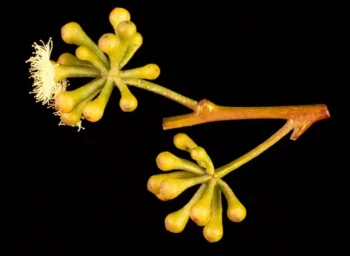
Eucalyptus consideniana: A Botanical Mystery Worth Investigating
If you’ve stumbled across the name Eucalyptus consideniana in your plant research, you’re not alone in scratching your head. This particular eucalyptus name presents something of a botanical puzzle that even seasoned gardeners and plant enthusiasts might find perplexing.
The Mystery of the Missing Eucalyptus
Here’s the thing about Eucalyptus consideniana – it’s remarkably difficult to find reliable information about this specific plant. After digging through botanical databases, eucalyptus references, and Australian flora resources, this name appears to be either extremely rare in cultivation, potentially obsolete, or possibly not a currently recognized species name.
This isn’t uncommon in the plant world! Botanical names sometimes change, get reclassified, or fall out of use as our understanding of plant relationships evolves. With over 800 species of eucalyptus, there’s plenty of room for confusion and taxonomic shuffling.
What This Means for Your Garden
If you’ve encountered this name, here are a few possibilities to consider:
- It might be an alternative or outdated name for another eucalyptus species
- It could be a very localized or rare species with limited documentation
- There might be a spelling variation or confusion with a similar name
Better Eucalyptus Alternatives
Rather than hunting for this elusive species, consider these well-documented and garden-worthy eucalyptus options:
- Eucalyptus nicholii (Narrow-leaved Black Peppermint) – Great for smaller gardens
- Eucalyptus leucoxylon (White Ironbark) – Beautiful flowers and manageable size
- Eucalyptus caesia (Gungurru) – Stunning weeping form with silver bark
- Eucalyptus torquata (Coral Gum) – Compact with showy coral-pink flowers
Before You Plant Any Eucalyptus
Remember that eucalyptus species are native to Australia and can behave differently in other climates. Always:
- Check if the species is appropriate for your hardiness zone
- Verify it’s not considered invasive in your region
- Consider native alternatives that support local wildlife
- Research mature size – eucalyptus can get surprisingly large!
The Bottom Line
While Eucalyptus consideniana remains a botanical mystery, there are plenty of other fantastic eucalyptus species to explore. If you’re set on finding this particular plant, consider reaching out to botanical gardens, eucalyptus specialists, or Australian native plant societies who might have more specialized knowledge.
Sometimes the most interesting gardening adventures come from these botanical detective stories. Who knows? Your search might lead you to discover an even better eucalyptus for your specific needs!