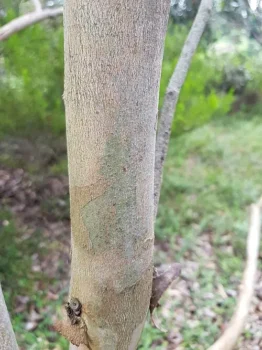
Eucalyptus cyanophylla: The Mystery Eucalyptus
If you’ve stumbled upon the name Eucalyptus cyanophylla in your gardening research, you might find yourself scratching your head – and you’re not alone! This particular eucalyptus species is something of an enigma in the gardening world.
What We Know (And Don’t Know)
Eucalyptus cyanophylla belongs to the vast Eucalyptus genus, which includes hundreds of species of trees and shrubs primarily native to Australia. However, detailed information about this specific species is remarkably scarce in horticultural literature and botanical databases.
The botanical name suggests some interesting characteristics – cyanophylla literally means blue leaf in Greek, hinting that this species might have bluish foliage, a trait shared by several eucalyptus species. But without confirmed documentation, we can’t make definitive statements about its appearance or growing requirements.
The Challenge for Gardeners
Here’s where things get tricky for us garden enthusiasts. When considering any plant for your landscape, you typically want to know:
- How big it will get
- What growing conditions it prefers
- Whether it’s suitable for your climate zone
- Its native range and ecological impact
- Care requirements and maintenance needs
Unfortunately, reliable information about Eucalyptus cyanophylla’s characteristics remains elusive. This lack of documentation could indicate that it’s an extremely rare species, possibly extinct, or that the name might refer to a variety or subspecies that’s been reclassified.
What This Means for Your Garden
Given the uncertainty surrounding this species, it’s unlikely you’ll find Eucalyptus cyanophylla available at your local nursery or through reputable plant retailers. If you’re drawn to eucalyptus trees for their aromatic foliage, distinctive bark, and unique character, there are many well-documented species to choose from instead.
Better Eucalyptus Alternatives
If you’re interested in growing eucalyptus in your landscape, consider these well-established options:
- Eucalyptus gunnii (Cider Gum) – Hardy and adaptable with silvery-blue foliage
- Eucalyptus polyanthemos (Silver Dollar Tree) – Popular for its round, blue-gray leaves
- Eucalyptus cinerea (Argyle Apple) – Beloved by florists for its distinctive foliage
The Bottom Line
While Eucalyptus cyanophylla might sound intriguing, the lack of reliable information makes it impossible to recommend for home gardeners. When choosing plants for your landscape, it’s always best to select species with well-documented growing requirements and known performance characteristics.
If you’re passionate about rare or unusual eucalyptus species, consider connecting with botanical gardens, arboretums, or specialized eucalyptus societies. They might have more information about obscure species or can point you toward similar alternatives that would thrive in your garden.
Remember, successful gardening is all about choosing the right plant for the right place – and that starts with knowing what you’re actually planting!