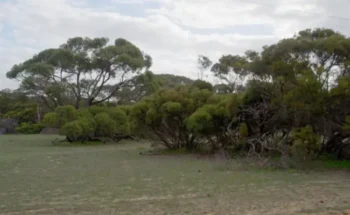
Eucalyptus decipiens: A Botanical Mystery Worth Investigating
If you’ve stumbled across the name Eucalyptus decipiens in your plant research, you might be scratching your head trying to find reliable information about this particular eucalyptus species. Well, you’re not alone! This botanical name presents quite the puzzle for gardeners and plant enthusiasts alike.
The Mystery of Eucalyptus decipiens
Here’s the thing about Eucalyptus decipiens – it’s proving to be as elusive as its name suggests. Despite extensive searching through botanical databases and horticultural resources, this particular species name doesn’t appear in current accepted nomenclature for the Eucalyptus genus. This could mean a few things:
- It might be an outdated or invalid botanical name
- It could be a misidentification of another eucalyptus species
- It may be a very rare or regional name not widely recognized
What This Means for Your Garden
If you’re looking to add a eucalyptus to your landscape, don’t let this botanical mystery discourage you! The eucalyptus genus is packed with fascinating and garden-worthy species that are well-documented and readily available.
Better Eucalyptus Alternatives
Instead of chasing after the enigmatic E. decipiens, consider these proven eucalyptus options for your garden:
- Eucalyptus gunnii (Cider Gum) – Hardy and compact, perfect for smaller gardens
- Eucalyptus pauciflora (Snow Gum) – Extremely cold-hardy with attractive bark
- Eucalyptus neglecta (Omeo Gum) – Fast-growing with silvery-blue foliage
A Word About Native Gardening
Before planting any eucalyptus species, it’s worth considering that these Australian natives may not be indigenous to your region. While they’re not typically invasive, choosing plants native to your local area will better support local wildlife and ecosystem health. Consider consulting with local native plant societies or extension services to discover beautiful native alternatives that might suit your garden vision just as well.
The Bottom Line
Sometimes in the world of plants, we encounter names that lead us down interesting rabbit holes. Eucalyptus decipiens appears to be one of those cases. While we can’t provide growing advice for a plant that may not exist under this name, we can use it as a reminder to always verify plant names with reliable sources before making garden plans.
If you’re determined to track down information about this particular name, consider reaching out to botanical institutions, herbaria, or eucalyptus specialists who might have historical knowledge about this elusive epithet. Who knows? You might just solve a botanical mystery!