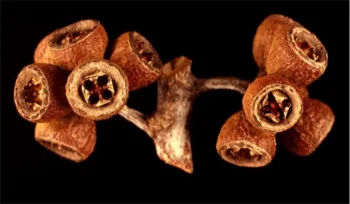
Eucalyptus desmondensis: The Mysterious Eucalyptus That’s Hard to Pin Down
If you’ve stumbled across the name Eucalyptus desmondensis in your plant research, you’ve encountered one of botany’s more elusive characters. This particular eucalyptus species presents a fascinating puzzle for gardeners and plant enthusiasts alike – there’s remarkably little reliable information available about it in standard botanical references.
What We Know (And Don’t Know)
Eucalyptus desmondensis falls into that intriguing category of plants where the scientific name exists, but comprehensive details about its characteristics, native range, and growing requirements remain largely undocumented in widely accessible botanical literature. This could mean several things:
- It might be a recently described or very rare species with limited documentation
- The name could be a synonym for another eucalyptus species
- It may represent an invalid or unpublished botanical name
The Challenge for Home Gardeners
Without clear information about this plant’s native status, geographical distribution, growth habits, or care requirements, it’s impossible to provide reliable growing advice. We don’t know if it’s hardy in specific USDA zones, what soil conditions it prefers, or even what it looks like when mature.
A Word of Caution
If you encounter plants or seeds being sold under the name Eucalyptus desmondensis, approach with healthy skepticism. Without proper botanical verification, you might end up with a completely different eucalyptus species – or worse, an invasive plant that could cause problems in your local ecosystem.
Better Alternatives for Your Garden
Rather than gambling on this mysterious species, consider well-documented eucalyptus varieties that are proven performers in cultivation:
- Eucalyptus gunnii (Cider Gum) – cold-hardy and compact
- Eucalyptus pauciflora (Snow Gum) – extremely cold-tolerant
- Eucalyptus polyanthemos (Silver Dollar Tree) – popular for cut foliage
Better yet, consider native alternatives to eucalyptus that provide similar aesthetic appeal while supporting local wildlife and ecosystems.
The Bottom Line
While botanical mysteries like Eucalyptus desmondensis spark curiosity, they’re not practical choices for home gardeners. Stick with well-documented species where you can find reliable information about growing requirements, mature size, and ecological impact. Your garden – and local ecosystem – will thank you for making informed plant choices.
If you’re particularly interested in rare or unusual eucalyptus species, connect with botanical gardens, university extension services, or specialized native plant societies who can provide expert guidance and properly sourced plant material.