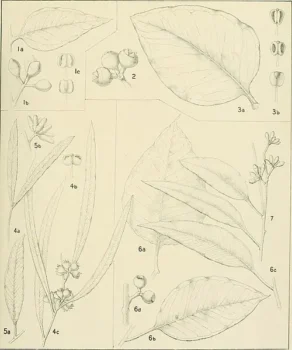
Eucalyptus ewartiana: A Distinctive Australian Native for Warm Climate Gardens
If you’re drawn to the unique charm of Australian native plants, Eucalyptus ewartiana might just catch your eye. This lesser-known eucalyptus species brings a touch of the Australian outback to warm climate gardens, though it’s definitely not a plant for every gardener or every region.
What Makes Eucalyptus ewartiana Special?
Eucalyptus ewartiana is a small to medium-sized tree that hails from the Goldfields region of Western Australia. While it may not have a widely recognized common name, this eucalyptus has carved out its own niche in the vast family of Australian natives. Like many of its eucalyptus cousins, it features the characteristic smooth bark and narrow leaves that give it a distinctly Australian appearance.
Where Does It Come From?
This eucalyptus is endemic to Western Australia, where it thrives in the arid and semi-arid conditions of the Goldfields region. It’s adapted to the harsh, dry conditions of the Australian interior, which tells us a lot about what it needs to thrive in cultivation.
Should You Plant Eucalyptus ewartiana?
Here’s where things get interesting. While Eucalyptus ewartiana can be a striking addition to the right garden, it’s important to consider whether it’s the best choice for your landscape:
The Good News:
- Extremely drought-tolerant once established
- Unique aesthetic appeal with distinctive bark and foliage
- Attracts pollinators when in bloom
- Low maintenance in the right conditions
- Can serve as a windbreak or specimen tree
Things to Consider:
- Not native to North America, so it won’t support local wildlife ecosystems as effectively as native alternatives
- Limited to very warm climates (USDA zones 9-11)
- May struggle in areas with high humidity or frequent rainfall
- Eucalyptus trees can be messy, dropping bark and leaves regularly
Native Alternatives to Consider
Before planting Eucalyptus ewartiana, consider these native alternatives that might better serve your local ecosystem:
- For southwestern regions: Palo Verde (Parkinsonia florida) or Desert Willow (Chilopsis linearis)
- For Mediterranean climates: Coast Live Oak (Quercus agrifolia) or Toyon (Heteromeles arbutifolia)
- For southeastern regions: Live Oak (Quercus virginiana) or Bald Cypress (Taxodium distichum)
Growing Eucalyptus ewartiana Successfully
If you’ve decided this Australian native is right for your warm climate garden, here’s how to give it the best start:
Ideal Growing Conditions:
- Climate: USDA zones 9-11; cannot tolerate frost
- Sunlight: Full sun is essential
- Soil: Well-draining soil is crucial; adaptable to poor soils
- Water: Drought-tolerant once established, but needs regular water during establishment
Planting and Care Tips:
Planting: Spring is the best time to plant, giving the tree a full growing season to establish before any potential cold weather. Choose a location with plenty of space, as eucalyptus trees can grow larger than expected.
Watering: Water regularly for the first year to help establish a strong root system. Once established, this tree is remarkably drought-tolerant and should only need supplemental water during extended dry periods.
Soil Preparation: Ensure excellent drainage – eucalyptus trees are more likely to fail from too much water than too little. If your soil is heavy clay, consider planting on a slight mound or adding organic matter to improve drainage.
Maintenance: Minimal pruning is needed, but you may want to clean up dropped bark and leaves regularly. Be prepared for the tree’s natural tendency to shed bark, which is completely normal for eucalyptus species.
Garden Design Ideas
Eucalyptus ewartiana works well in:
- Mediterranean-style gardens paired with lavender, rosemary, and other drought-tolerant plants
- Modern, minimalist landscapes where its sculptural form can shine
- As part of a collection of interesting bark trees
- Xerophytic gardens focusing on water-wise plantings
The Bottom Line
Eucalyptus ewartiana can be a fascinating addition to warm climate gardens, especially for those interested in unique, drought-tolerant trees. However, it’s worth considering whether a native alternative might better serve both your landscape goals and local wildlife. If you do choose to plant it, you’ll be rewarded with a distinctive tree that brings a bit of the Australian outback to your backyard – just make sure you’re in the right climate zone and can provide the well-draining conditions it craves.