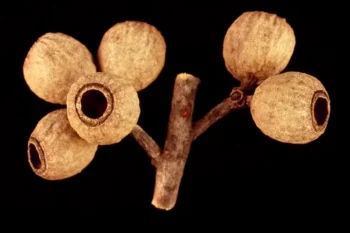
Eucalyptus exilis: The Mystery Eucalyptus That Has Botanists Scratching Their Heads
If you’ve stumbled upon the name Eucalyptus exilis while researching plants for your garden, you’re not alone in feeling a bit puzzled. This particular eucalyptus species is something of an enigma in the botanical world, with very limited information available even in scientific literature.
What We Know (And What We Don’t)
Here’s the honest truth about Eucalyptus exilis: reliable information about this species is remarkably scarce. Unlike its famous cousins like the Rainbow Eucalyptus or Blue Gum, E. exilis doesn’t appear in most standard botanical references or native plant databases. This could mean several things:
- It may be an extremely rare or localized species
- The name might be outdated or have been reclassified
- It could be a regional common name that doesn’t correspond to the accepted botanical nomenclature
- Information about it simply hasn’t been widely published or digitized
The Challenge of Mysterious Plants
When you encounter a plant name with limited information, it’s like finding a puzzle piece without knowing what picture it belongs to. While the genus Eucalyptus is well-known and beloved by gardeners worldwide, individual species within this diverse group can vary dramatically in their characteristics, native ranges, and growing requirements.
What This Means for Your Garden
Given the lack of reliable information about Eucalyptus exilis, we can’t provide specific guidance about its growth habits, care requirements, or suitability for different climates. Without knowing its native range, we can’t determine whether it would be appropriate for native plant gardens or if it might have invasive tendencies in certain regions.
Better Alternatives to Consider
Instead of pursuing this mysterious species, consider these well-documented eucalyptus options that are readily available and well-understood:
- Eucalyptus gunnii (Cider Gum) – Hardy and adaptable with attractive silvery foliage
- Eucalyptus pauciflora (Snow Gum) – Cold-hardy with distinctive mottled bark
- Eucalyptus nicholii (Narrow-leaved Black Peppermint) – Graceful weeping form with narrow leaves
A Word of Caution
If someone offers you plants labeled as Eucalyptus exilis, proceed with caution. Without proper identification and information about the plant’s characteristics and origin, you could end up with:
- A plant that’s not suited to your climate
- A misidentified species that behaves differently than expected
- A plant with unknown invasive potential
The Bottom Line
While the mystery of Eucalyptus exilis is intriguing, it’s not worth the risk for most gardeners. Stick with well-documented eucalyptus species that have proven track records and readily available care information. Your garden (and your sanity) will thank you for choosing plants with clear identities and known growing requirements.
If you’re specifically interested in rare or unusual eucalyptus species, consult with botanical gardens, university extension services, or specialized nurseries that can provide properly identified plants with reliable growing information. Sometimes the most interesting plants are the ones we can actually learn about and grow successfully!