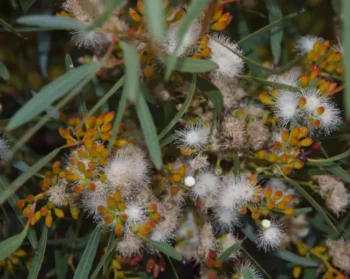
Eucalyptus foecunda: The Mystery Eucalyptus That’s Hard to Pin Down
Ever stumbled across a plant name that makes you scratch your head? Meet Eucalyptus foecunda, one of those botanical enigmas that keeps even seasoned gardeners guessing. This eucalyptus species is so elusive that finding reliable information about it feels like searching for a needle in a haystack – if the haystack were located in the vast Australian outback.
What We Know (And Don’t Know)
Here’s the honest truth: Eucalyptus foecunda is one of those plants that exists more in scientific literature than in your average garden center. While it belongs to the massive eucalyptus family – those iconic Australian trees known for their aromatic leaves and koala-feeding capabilities – this particular species remains frustratingly mysterious.
The lack of common names and limited documentation suggests this is either an extremely rare species, recently described, or possibly known only from very specific locations in Australia. Without clear geographical distribution data, we can only assume it hails from somewhere in Australia, like its eucalyptus cousins.
Should You Try Growing It?
Here’s where things get tricky. While we can’t provide specific growing advice for Eucalyptus foecunda due to the lack of available information, we can share some general wisdom about eucalyptus cultivation:
- Most eucalyptus species prefer well-draining soil
- They typically need full sun exposure
- Many are drought-tolerant once established
- They can be fast-growing and potentially large trees
The Reality Check
If you’re set on adding a eucalyptus to your landscape, you’ll likely have better luck with more commonly available species like Eucalyptus gunnii (Cider Gum) or Eucalyptus pauciflora (Snow Gum). These well-documented alternatives offer the eucalyptus experience with actual growing guides, known hardiness zones, and available nursery stock.
Why This Matters for Native Plant Enthusiasts
Eucalyptus foecunda serves as a reminder that our planet’s plant diversity is vast and still being discovered. While we can’t recommend growing what we can’t adequately describe, it highlights the importance of supporting botanical research and conservation efforts.
If you’re passionate about rare Australian natives and happen to live in a climate similar to Australia’s, consider reaching out to specialized native plant societies or botanical institutions. They might have more current information about this elusive species or can point you toward similar, better-documented eucalyptus varieties.
The Bottom Line
Sometimes the most honest gardening advice is admitting when we don’t have enough information to make recommendations. Eucalyptus foecunda remains a botanical mystery best left to researchers and specialized collectors until more is known about its cultivation requirements and availability.
For now, stick with the eucalyptus species that come with proper care instructions – your garden (and your sanity) will thank you for it!