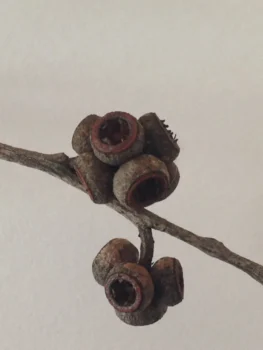
Eucalyptus globoidea: An Australian Beauty for Mediterranean-Style Gardens
If you’re drawn to the distinctive look of eucalyptus trees and live in a warm climate, Eucalyptus globoidea might just be the tree you’ve been searching for. This Australian native brings a touch of the Outback to your backyard with its striking bark and aromatic foliage, though it’s worth noting that it’s not native to North America.
What Makes Eucalyptus globoidea Special?
Eucalyptus globoidea is a medium-sized evergreen tree that’s endemic to New South Wales, Australia, particularly the Sydney Basin region. What really sets this eucalyptus apart is its gorgeous bark that peels away in patches, revealing a beautiful mottled pattern of colors underneath. The narrow, blue-green leaves have that classic eucalyptus silvery sheen that catches the light beautifully.
Why You Might Want to Plant It
There are several compelling reasons why gardeners in suitable climates consider this eucalyptus:
- Stunning visual appeal with its peeling, colorful bark
- Fast growth rate once established
- Excellent drought tolerance after the first year
- Aromatic foliage that releases that classic eucalyptus scent
- Attracts pollinators with its white to cream flowers
- Works well as a specimen tree, windbreak, or privacy screen
Growing Conditions and Care
Eucalyptus globoidea thrives in USDA hardiness zones 9-11, making it suitable for warmer regions of the United States. Here’s what this tree needs to flourish:
- Sunlight: Full sun exposure is essential
- Soil: Well-draining soil is crucial – these trees hate wet feet
- Water: Regular watering during the first year, then very drought tolerant
- Space: Needs room to grow as it can become quite large
Planting and Care Tips
Spring is the ideal time to plant your Eucalyptus globoidea. Here are some key tips for success:
- Choose a location with plenty of space – these trees don’t like to be crowded
- Ensure excellent drainage to prevent root rot
- Water regularly during the establishment period (first 12 months)
- Once established, minimal care is needed
- Pruning is rarely necessary, but remove any dead or damaged branches
Garden Design Ideas
This eucalyptus works beautifully in Mediterranean-style gardens and drought-tolerant landscapes. It’s perfect for larger residential properties where you have the space to let it reach its full potential. Consider using it as a focal point specimen tree, or plant several as a windbreak or privacy screen.
Wildlife and Pollinator Benefits
The white to cream flowers of Eucalyptus globoidea are a magnet for bees and other pollinators. While it may not provide the same wildlife benefits as native trees, it does offer nectar sources for pollinators during its blooming period.
Consider Native Alternatives
While Eucalyptus globoidea can be a lovely addition to suitable gardens, consider exploring native trees that might provide similar benefits while supporting local ecosystems. Depending on your region, native alternatives might include live oaks, madrones, or other drought-tolerant native species that offer comparable aesthetic appeal and wildlife benefits.
The Bottom Line
Eucalyptus globoidea can be a striking addition to the right garden – one with plenty of space, excellent drainage, and a Mediterranean or drought-tolerant theme. Just remember that as a non-native species, it won’t provide the same ecological benefits as native plants. If you do choose to plant it, you’ll be rewarded with a fast-growing, low-maintenance tree that brings a unique Australian flair to your landscape.