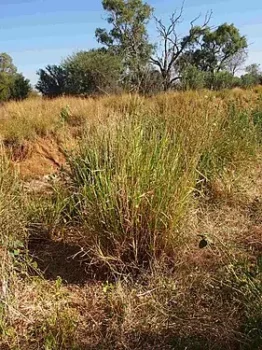
Eulalia aurea: The Mysterious Golden Grass Worth Investigating
If you’ve stumbled across the name Eulalia aurea in your gardening research, you’ve discovered one of those intriguing plants that seems to exist in the shadows of the horticultural world. This graminoid – that’s gardener-speak for grass-like plant – belongs to the broader grass family, but finding reliable information about it can feel like searching for a needle in a haystack.
What We Know About This Elusive Grass
Eulalia aurea is scientifically classified as a graminoid, placing it among the grasses, sedges, and other grass-like plants that add texture and movement to our gardens. The plant was previously known by the synonym Eulalia fulva (R. Br.) Kunth, which might ring a bell for plant enthusiasts familiar with botanical nomenclature changes.
Unfortunately, this is where our certainty begins to fade. The common name, native range, and specific growing requirements for Eulalia aurea remain largely undocumented in readily available horticultural sources.
The Challenge of Growing the Unknown
Here’s where things get interesting – and a bit frustrating for eager gardeners. Without clear information about this plant’s native status, invasive potential, or specific growing requirements, recommending Eulalia aurea becomes tricky. We don’t know:
- Whether it’s native to any particular region
- Its preferred growing conditions
- How large it grows or how quickly
- Its hardiness zones
- Whether it provides benefits to local wildlife
A Word of Caution and Better Alternatives
When faced with such uncertainty about a plant’s characteristics and origin, the safest approach is to consider well-documented alternatives. If you’re drawn to ornamental grasses that add texture and movement to your landscape, there are many native options with clear growing guidelines and known ecological benefits.
Consider researching native grasses specific to your region instead. These alternatives will offer:
- Clear planting and care instructions
- Known wildlife and pollinator benefits
- Guaranteed adaptation to your local climate
- Support for your local ecosystem
The Bottom Line
While Eulalia aurea might sound intriguing, the lack of available information makes it a risky choice for most gardeners. Rather than gambling with an unknown quantity, focus your energy on selecting native grasses with proven track records in your area. Your local extension office or native plant society can point you toward beautiful, reliable alternatives that will thrive in your garden while supporting local wildlife.
Sometimes in gardening, the most mysterious plants are mysterious for a reason – they might simply not be the best choices for our gardens after all.