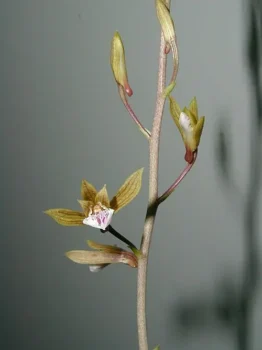
Eulophia graminea: The Grass-Leaved Ground Orchid Worth Knowing
Meet Eulophia graminea, a rather unassuming little orchid that might just surprise you. While it won’t win any beauty contests with its grass-like appearance, this terrestrial orchid has carved out its own special niche in the world of specialty gardening. If you’re wondering whether this perennial forb deserves a spot in your garden, let’s dig into what makes this plant tick.
What Exactly Is Eulophia graminea?
Eulophia graminea is a terrestrial orchid, meaning it grows in soil rather than perched up in trees like many of its flashier cousins. As a perennial forb, it’s an herbaceous plant that comes back year after year, lacking the woody stems you’d find on shrubs or trees. Don’t let the graminea part of its name fool you – while it means grass-like, this plant is definitely not a grass, despite its similar appearance.
The plant produces narrow, grass-like leaves that emerge from underground pseudobulbs (think of them as the plant’s storage units). During blooming season, tall spikes appear bearing small, rather inconspicuous greenish-yellow flowers that orchid enthusiasts appreciate more for their botanical interest than their showstopping beauty.
Where Does It Come From?
This orchid calls parts of Asia home, with its native range spanning India, Southeast Asia, and extending to northern Australia and some Pacific islands. In North America, it’s definitely an exotic visitor rather than a local native.
Growing Conditions and Climate Needs
If you’re thinking about growing Eulophia graminea, you’ll need to live somewhere warm – we’re talking USDA hardiness zones 9-11. This tropical to subtropical orchid simply can’t handle frost or extended cold periods.
Here’s what this orchid prefers:
- Well-draining soil or orchid growing medium
- Partial shade to filtered light (avoid harsh direct sun)
- Warm, consistent temperatures
- Moderate moisture levels – not bone dry, but never soggy
In the Atlantic and Gulf Coastal Plain regions, this plant has a facultative upland wetland status, meaning it usually grows in non-wetland areas but can occasionally tolerate wetter conditions.
Should You Plant It in Your Garden?
Here’s the honest truth: Eulophia graminea isn’t for everyone. This orchid is really more of a specialist’s plant than a garden center staple. If you’re an orchid collector or someone who loves unusual botanical specimens, it might appeal to you. However, for most gardeners looking to create wildlife habitat or add reliable color to their landscape, there are probably better choices.
Since this isn’t a North American native, consider exploring native orchid alternatives if you’re interested in supporting local ecosystems. Many regions have their own fascinating native orchids that provide better wildlife benefits and are adapted to local conditions.
Care Tips for the Brave
If you decide to take on the challenge of growing Eulophia graminea, here are some key care points:
- Use a well-draining orchid mix rather than regular potting soil
- Water carefully – the growing medium should dry out slightly between waterings
- Provide bright, indirect light
- Protect from temperatures below 50°F (10°C)
- Consider greenhouse cultivation in cooler climates
- Be patient – orchids often grow slowly
The Bottom Line
Eulophia graminea is one of those plants that appeals to a very specific audience. If you’re fascinated by orchids and enjoy growing unusual plants, it might be worth tracking down. However, if you’re looking for reliable garden performers that support local wildlife, you’d probably be happier with native alternatives.
This little orchid serves as a reminder that not every plant needs to be a showstopper to be interesting. Sometimes the quiet, unassuming species teach us just as much about the incredible diversity of the plant world. Whether you choose to grow it or just appreciate it from afar, Eulophia graminea certainly has its own unique charm in the vast tapestry of botanical life.