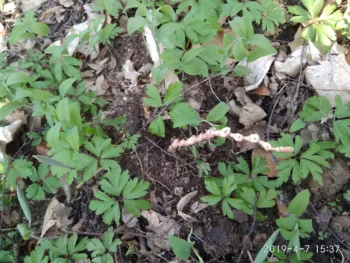
Eurasian Solomon’s Seal: A Graceful Shade Perennial for Your Garden
If you’re looking to add some elegant architecture to your shady spots, Eurasian Solomon’s seal (Polygonatum multiflorum) might just be the plant that catches your eye. This perennial forb brings a touch of woodland charm with its distinctive arching stems and dangling bell-shaped flowers that seem to dance in the breeze.
What Makes Eurasian Solomon’s Seal Special?
This graceful perennial is all about that architectural appeal. Picture this: stems that arch like a dancer’s arms, decorated with oval leaves that alternate up each stem in perfect symmetry. Come late spring, tiny white bell-shaped flowers dangle delicately beneath the foliage like nature’s own wind chimes. As if that wasn’t enough, the show continues into fall when blue-black berries appear, adding another layer of interest to your garden.
Where Does It Come From?
Eurasian Solomon’s seal isn’t a North American native – it hails from Europe and western Asia. In Canada, you’ll find it persisting around old gardens and homesteads in Ontario and Quebec, where it’s managed to stick around despite not being truly naturalized. It’s what we call garden persistent – basically, it’s that reliable friend who shows up and stays put without causing too much fuss.
- Species observed
- No observations
The Growing Game: What This Plant Needs
Here’s the good news for shade gardeners: Eurasian Solomon’s seal absolutely loves what many other plants struggle with. It thrives in partial to full shade and prefers moist, well-drained soil that’s rich in organic matter. Think woodland conditions – that’s this plant’s happy place.
Key growing requirements:
- Partial to full shade (morning sun is okay, but avoid hot afternoon sun)
- Moist, well-drained soil
- Humus-rich conditions
- USDA hardiness zones 3-8
Planting and Care Tips
Getting started with Eurasian Solomon’s seal is refreshingly straightforward. Plant the rhizomes in fall or early spring, giving them about 18 inches of space to spread. Once established, this is a pretty low-maintenance character – just the way busy gardeners like it!
Care essentials:
- Mulch around plants to retain moisture and suppress weeds
- Water during dry spells, especially in the first year
- Very little pruning needed – just remove dead stems in late fall or early spring
- Divide every 3-4 years if you want to spread the wealth
Garden Design Ideas
Eurasian Solomon’s seal shines in woodland gardens and shaded borders where its arching form can really show off. It works beautifully as a groundcover in naturalized areas and pairs well with hostas, ferns, and other shade lovers. The plant typically reaches 2-3 feet tall with a similar spread, making it perfect for mid-border plantings.
Wildlife and Pollinator Benefits
Those dainty flowers aren’t just for show – they attract bees and other small pollinators during their blooming period in late spring. The berries that follow provide food for birds, though they’re not edible for humans.
Should You Plant It?
While Eurasian Solomon’s seal can be a lovely addition to shade gardens, it’s worth considering native alternatives that provide similar benefits while supporting local ecosystems. If you do choose to grow it, you’re getting a reliable, low-maintenance perennial that won’t cause problems in your landscape.
For gardeners interested in native alternatives, consider looking into native Solomon’s seal species or other indigenous shade perennials that offer similar architectural interest while providing greater ecological benefits to local wildlife and pollinators.
The Bottom Line
Eurasian Solomon’s seal offers graceful beauty for challenging shady spots with minimal fuss. While it’s not native to North America, it’s not known to be invasive either, making it a reasonable choice for gardeners who appreciate its unique form and reliable performance. Just remember to explore native options first – your local ecosystem will thank you for it!