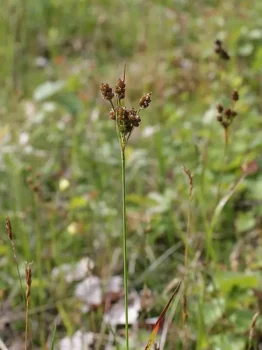
Eurasian Woodrush: A Quiet Ground Cover for Shady Spaces
Meet Eurasian woodrush (Luzula pallidula), a modest little perennial that’s been quietly making itself at home in North American gardens and wild spaces. This unassuming grass-like plant might not win any beauty contests, but it has carved out its own niche in the gardening world as a low-maintenance ground cover for those tricky shady spots.
What Is Eurasian Woodrush?
Eurasian woodrush is a perennial member of the rush family (Juncaceae), though don’t let that fool you into thinking it needs swampy conditions. This little plant is actually quite adaptable when it comes to moisture levels. Originally from Europe and western Asia, it has established itself across parts of northeastern North America, including New Brunswick, Ontario, Quebec, Maine, New Hampshire, New York, Vermont, and Newfoundland.
- Species observed
- No observations
As a non-native species that reproduces on its own in the wild, Eurasian woodrush falls into that interesting category of plants that have naturalized without becoming problematic invaders. It’s neither rare nor considered noxious, making it a relatively neutral addition to the landscape.
The Look and Feel
Let’s be honest – Eurasian woodrush isn’t going to stop traffic with its stunning blooms. This grass-like plant produces small, brownish flower clusters that are more functional than flashy. Its narrow, blade-like leaves form loose tufts that create a soft, textural ground cover. Think of it as the gardening equivalent of a comfortable pair of jeans – not glamorous, but reliable and versatile.
Where Does It Fit in Your Garden?
Eurasian woodrush shines in woodland gardens and naturalized areas where you want something that looks intentional but not overly manicured. It’s particularly useful in those challenging spots where you need:
- Low-maintenance ground cover for partial to full shade
- Something that can handle variable moisture conditions
- A plant that won’t need constant attention or feeding
- Texture and interest in naturalized landscapes
Its facultative wetland status means it’s equally happy in average garden soil or slightly moist conditions, making it quite forgiving for gardeners who struggle with consistency in watering.
Growing Eurasian Woodrush
If you decide to give Eurasian woodrush a try, you’ll find it refreshingly uncomplicated. Hardy in USDA zones 3-7, it thrives in the cooler climates where it’s naturally found. Here’s what you need to know:
Ideal Growing Conditions
- Partial shade to full shade
- Moist to moderately dry, well-draining soil
- Cool to moderate temperatures
- pH adaptable – not particularly fussy
Planting and Care Tips
- Plant in spring or fall when temperatures are moderate
- Space plants according to desired coverage speed – closer for quicker fill-in
- Water regularly the first season to help establishment
- Once established, minimal care required
- Spreads slowly, so don’t expect instant gratification
The Wildlife Connection
While Eurasian woodrush isn’t a pollinator powerhouse (it’s primarily wind-pollinated), it does provide some habitat value. Small birds may use the seed heads, and the low-growing foliage can offer shelter for ground-dwelling creatures in woodland settings.
Should You Plant It?
Here’s the thing about Eurasian woodrush – it’s a perfectly adequate plant that does its job without much fuss. If you’re looking for a low-maintenance ground cover for shady areas and don’t mind something on the subtle side, it could work well for you.
However, if you’re passionate about supporting native ecosystems, you might want to consider native alternatives like Pennsylvania sedge (Carex pensylvanica) or other native woodrush species that provide similar ground cover benefits while supporting local wildlife more effectively.
Ultimately, Eurasian woodrush represents that middle ground in gardening – not harmful, not spectacular, just quietly dependable. Whether that’s what your garden needs is entirely up to you and your gardening goals.