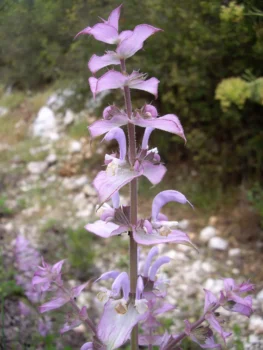
Europe Sage: A Striking Biennial for Mediterranean-Style Gardens
If you’re looking to add some serious drama to your garden, Europe sage (Salvia sclarea) might just be your new best friend. Also known as clary sage or salvia romana, this eye-catching biennial herb brings both beauty and fragrance to any landscape willing to embrace its bold personality.
What Is Europe Sage?
Europe sage is a non-native forb that originally hails from the Mediterranean region of southern Europe. As a biennial, it follows a two-year life cycle: sprouting and growing foliage in its first year, then producing its spectacular flower show in the second year before setting seed and completing its journey.
This plant has made itself quite comfortable across North America, naturalizing in states including Colorado, Connecticut, Idaho, Kansas, Massachusetts, Michigan, Missouri, Montana, North Carolina, Oregon, Pennsylvania, Utah, Virginia, and Washington. In Canada, it appears as what botanists call a waif – showing up temporarily but not establishing permanent populations in Ontario.
- Species observed
- No observations
Why Gardeners Love (and Sometimes Struggle With) Europe Sage
Europe sage is like that friend who shows up to the party in the most stunning outfit – absolutely gorgeous, but definitely not for every occasion. Here’s what makes it special:
- Towering flower spikes can reach 3-4 feet tall, creating impressive vertical interest
- Fragrant, silvery-green foliage adds texture even when not in bloom
- Flowers attract bees, butterflies, and other beneficial pollinators
- Extremely drought tolerant once established
- Self-seeds readily, potentially providing years of blooms
However, that self-seeding habit can be a double-edged sword. While some gardeners love the surprise seedlings that pop up each year, others find it a bit too enthusiastic for their taste.
Perfect Garden Companions
Europe sage shines brightest in cottage gardens, herb gardens, and Mediterranean-style landscapes. It pairs beautifully with other drought-tolerant plants and thrives in xerophytic (dry) garden designs. Think of it as the perfect backdrop plant – tall enough to create structure while allowing shorter companions to shine in front.
Growing Europe Sage Successfully
The good news? Europe sage is surprisingly easy to please once you understand its preferences.
Growing Conditions
- Sunlight: Full sun is essential for best flowering
- Soil: Well-draining soil is absolutely crucial – soggy conditions will kill it
- Water: Drought tolerant once established; actually prefers dry conditions
- Climate: Hardy in USDA zones 4-9
Planting and Care Tips
- Sow seeds in fall or early spring directly in the garden
- Space plants 18-24 inches apart to allow for their eventual size
- Avoid overwatering – this Mediterranean native prefers to stay on the dry side
- Cut flower stalks back after blooming to prevent excessive self-seeding if desired
- Allow some flowers to go to seed if you want future generations
Wildlife and Pollinator Benefits
Europe sage is a pollinator magnet during its blooming period, typically in late spring to early summer. Bees absolutely adore the nectar-rich flowers, and you’ll often find butterflies visiting as well. The seeds can provide food for birds, though this isn’t its primary wildlife value.
Consider Native Alternatives
While Europe sage isn’t considered invasive, supporting native plant communities is always a great choice. Consider these native salvias that offer similar beauty with local ecological benefits:
- Wild bergamot (Monarda species) for similar height and pollinator appeal
- Native sage species like Artemisia tridentata in western regions
- Local native salvias specific to your region
The Bottom Line
Europe sage is like that dramatic friend who brings excitement wherever they go – not right for every garden, but absolutely perfect when you want to make a statement. If you have the right conditions (sun and good drainage) and don’t mind a plant with strong opinions about where it wants to grow next, this Mediterranean beauty could be exactly what your garden needs.
Just remember: with great beauty comes great responsibility. Keep an eye on those seedlings, and your garden will thank you for the thoughtful addition of this striking biennial.