European Aspen: A Fast-Growing Tree with Shimmering Leaves
If you’ve ever wondered about that tree with the leaves that seem to dance in the slightest breeze, you might be looking at a European aspen (Populus tremula). This distinctive tree has captured gardeners’ attention with its unique foliage and rapid growth, but before you rush to plant one, let’s dive into what makes this species tick and whether it’s right for your landscape.
Getting to Know European Aspen
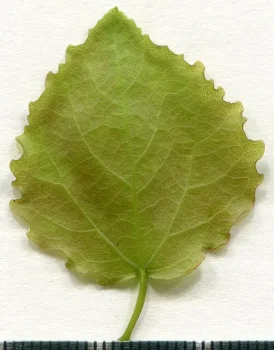
European aspen is a perennial, deciduous tree that typically grows between 13-50 feet tall, though it can reach greater heights under ideal conditions. What sets this tree apart is its remarkable leaves – nearly round with flattened petioles that allow them to flutter and shimmer in even the gentlest breeze, creating a mesmerizing silver-green display that turns brilliant golden-yellow in autumn.
The smooth, pale gray-green bark adds year-round interest, making European aspen an attractive choice for those seeking visual appeal across seasons.
Native Status and Distribution
Here’s where things get interesting: European aspen isn’t actually native to North America. As its name suggests, this tree hails from Europe and parts of Asia, stretching from Scandinavia down to the Mediterranean and east into Siberia. It’s been introduced to North America and has established itself in states like Massachusetts and Missouri, where it reproduces spontaneously without human intervention.
- Species observed
- No observations
Should You Plant European Aspen?
European aspen can be a stunning addition to the right landscape, but it’s not for everyone. Here are some considerations:
The Pros:
- Fast growth rate provides quick results
- Spectacular fall color
- Early spring catkins support pollinators when few other resources are available
- Extremely cold-hardy (USDA zones 2-7)
- Tolerates various soil conditions
The Cons:
- Can spread aggressively via root suckers
- Requires regular maintenance to manage growth
- Not native to North America
- May not provide the same wildlife benefits as native alternatives
Growing Conditions and Care
European aspen is surprisingly adaptable when it comes to growing conditions. This hardy tree prefers moist, well-drained soils but can tolerate a range of soil types. It thrives in full sun to partial shade and shows remarkable cold tolerance.
In terms of wetland preferences, European aspen shows flexibility – it usually occurs in non-wetland areas but can handle wetland conditions, particularly in northeastern regions where it’s classified as facultative.
Planting and Care Tips:
- Plant in spring after the last frost
- Choose a location with adequate space for the tree’s mature size and potential spread
- Ensure consistent moisture, especially during establishment
- Be prepared to manage root suckers if you want to prevent spreading
- Consider installing in areas where naturalization is acceptable
Landscape Role and Design Ideas
European aspen works best in larger landscapes where it has room to express its natural growth habits. Consider using it as:
- A specimen tree in spacious yards
- Part of a windbreak or privacy screen
- In naturalized woodland gardens
- As a fast-growing pioneer species in restoration projects
Wildlife and Pollinator Benefits
While European aspen does provide some wildlife value – particularly through its early spring catkins that offer pollen when few other sources are available – it may not support native wildlife as effectively as indigenous tree species.
Native Alternatives to Consider
If you love the idea of European aspen but want to support native ecosystems, consider these alternatives:
- Quaking aspen (Populus tremuloides) – offers similar leaf movement and fall color
- American basswood (Tilia americana) – provides excellent pollinator support
- Sugar maple (Acer saccharum) – spectacular fall color and wildlife value
The Bottom Line
European aspen can be a beautiful, fast-growing addition to the right landscape. While it’s not native to North America, it’s not currently listed as invasive either. If you choose to plant it, do so thoughtfully – give it plenty of space, be prepared for maintenance, and consider pairing it with native species to create a more ecologically diverse landscape.
Remember, the best tree for your garden is one that fits both your aesthetic goals and your commitment to maintenance. European aspen delivers on beauty and speed but requires a gardener who’s ready to manage its enthusiastic growth habits.