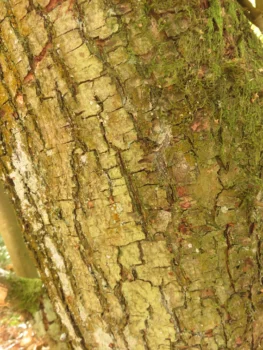
European Chestnut: A Majestic Tree with Old-World Charm
The European chestnut (Castanea sativa) is a magnificent deciduous tree that brings both beauty and bounty to the landscape. Also known by its botanical synonyms Castanea vesca and Castanea vulgaris, this stately tree has been cultivated for centuries and continues to captivate gardeners with its impressive size and delicious nuts.
Origins and Distribution
While called the European chestnut, this tree actually hails from southeastern Europe and Asia Minor, including parts of modern-day Turkey and the Caucasus region. As a non-native species in North America, it has established itself and now grows wild in several states including Alabama, District of Columbia, Kentucky, Massachusetts, New York, and Pennsylvania, where it reproduces naturally without human intervention.
- Species observed
- No observations
What Makes European Chestnut Special
This perennial tree is a true giant of the landscape, typically growing as a single-trunked specimen that can tower 13-16 feet or more in height. What really sets the European chestnut apart is its year-round appeal:
- Summer brings fragrant, cream-colored catkin flowers that create a stunning display
- Fall showcases brilliant golden-yellow foliage
- The tree produces spiny burrs containing sweet, edible chestnuts
- Its broad, serrated leaves provide excellent shade during hot months
Garden Role and Landscape Use
European chestnuts work best as specimen trees in large landscapes, parks, or food forest settings. They’re perfect for heritage gardens or properties where you want to create a sense of old-world elegance. However, these trees need space – lots of it! They’re not suitable for small residential lots or areas where overhead clearance is limited.
Growing Conditions and Care
European chestnuts are surprisingly adaptable but do have some preferences:
- Hardiness: Thrives in USDA zones 5-8
- Soil: Well-drained, slightly acidic to neutral soil
- Light: Full sun to partial shade
- Water: Moderate moisture requirements
- Space: Allow at least 50 feet between trees and structures
Planting and Maintenance Tips
Spring is the ideal time to plant your European chestnut. Once established, these trees are relatively low-maintenance, requiring minimal pruning. However, keep an eye out for chestnut blight, a fungal disease that can affect the species. Regular monitoring and good air circulation help prevent issues.
Wildlife and Pollinator Benefits
The fragrant summer flowers are a magnet for bees and other pollinators, providing valuable nectar and pollen during mid-summer when many other sources may be scarce. Wildlife also benefits from the nutritious nuts, making this tree a valuable addition to wildlife-friendly landscapes.
Should You Plant European Chestnut?
European chestnut can be a wonderful addition to the right landscape – emphasis on right. If you have a large property and appreciate both ornamental beauty and edible landscaping, this tree offers the best of both worlds. However, since it’s non-native, you might also consider native alternatives like American chestnut (where blight-resistant varieties are available) or native nut trees like black walnut or hickories that provide similar benefits while supporting local ecosystems.
The choice ultimately depends on your space, goals, and personal preferences. Just remember: this is a tree that demands respect for its size and longevity – it’s not a decision to make lightly, but when grown in the right spot, few trees can match its combination of beauty, fragrance, and productivity.