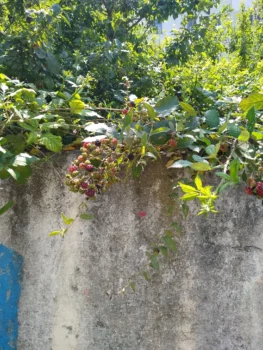
European Dewberry: A Trailing Berry Plant for Naturalized Gardens
If you’re looking for a low-maintenance ground cover that produces edible berries, European dewberry (Rubus caesius) might catch your attention. This trailing shrub offers an interesting alternative to its more common bramble relatives, though it comes with some important considerations for native plant enthusiasts.
What is European Dewberry?
European dewberry is a perennial, low-growing shrub that rarely exceeds 1.5 feet in height, with most plants staying well under that mark. Unlike its upright blackberry cousins, this species has a distinctly trailing growth habit that makes it perfect for covering ground rather than reaching for the sky. The plant produces small, blackberry-like fruits with a characteristic bluish bloom that gives them their distinctive appearance.
Native Status and Distribution
Here’s where things get a bit complicated for native plant gardeners. European dewberry is not native to North America – as its name suggests, it originally hails from Europe and western Asia. However, it has established itself in several states across the continent, including Ontario, Iowa, Kentucky, Michigan, and New York. The plant reproduces spontaneously in the wild and tends to persist once established, both in Canada and the lower 48 states.
- Species observed
- No observations
Garden Appeal and Uses
European dewberry brings several attractive qualities to the garden:
- Low-maintenance ground cover for informal areas
- White flowers in spring that attract pollinators like bees
- Edible berries for wildlife and humans alike
- Adaptable to various growing conditions
This plant works particularly well in naturalized gardens, woodland edges, or areas where you want a informal, wild look. Its trailing habit makes it excellent for slopes or areas where you need erosion control.
Growing Conditions and Care
One of European dewberry’s strongest selling points is its adaptability. The plant typically grows in USDA hardiness zones 5-8 and shows remarkable flexibility in its growing requirements:
Soil and Water: According to wetland status classifications, European dewberry usually occurs in non-wetland areas but can tolerate some moisture. It prefers well-draining soil but isn’t particularly fussy about soil type.
Light Requirements: This adaptable shrub can handle everything from partial shade to full sun, making it versatile for various garden locations.
Maintenance: Once established, European dewberry requires minimal care. However, be prepared for its spreading nature – like many members of the Rubus family, it can expand its territory through runners.
Wildlife and Pollinator Benefits
The white spring flowers provide nectar for bees and other pollinators, while the berries offer food for birds and small mammals. This dual benefit makes it a valuable addition to wildlife-friendly gardens, even if it’s not native to the region.
Should You Plant European Dewberry?
This is where native plant enthusiasts might want to pause and consider their options. While European dewberry isn’t listed as invasive or noxious in the available data, its non-native status means it doesn’t provide the same ecological benefits as indigenous plants. If you’re committed to supporting local ecosystems, consider these native alternatives instead:
- Native dewberries (Rubus flagellaris or Rubus hispidus)
- Wild strawberry (Fragaria species native to your region)
- Native groundcovers suited to your specific location
However, if you already have European dewberry on your property or are drawn to its specific characteristics, it can certainly play a role in informal, naturalized gardens. Just be mindful of its spreading habit and consider containing it if necessary.
The Bottom Line
European dewberry offers an easy-care ground cover option with edible benefits and pollinator appeal. While it may not be the best choice for purist native plant gardens, it can work well in informal landscapes where you want a low-maintenance, berry-producing plant. As with any non-native species, consider your local ecosystem and whether native alternatives might better serve your garden’s goals.