European Frostweed: A Delicate Mediterranean Annual for Your Garden
If you’re drawn to delicate wildflowers with a touch of Mediterranean charm, European frostweed (Xolantha guttata) might catch your eye. This dainty annual herb brings a subtle beauty to gardens with its small yellow blooms and naturalized growing habit, though it’s worth understanding both its appeal and its non-native status before adding it to your landscape.
What is European Frostweed?
European frostweed is a small annual forb that belongs to the rock-rose family. You might also see it listed under its botanical synonyms Helianthemum guttatum or Tuberaria guttata in older gardening references. As its common name suggests, this plant hails from Europe and the Mediterranean region, making it a non-native species that has found its way into parts of California.
As an annual, European frostweed completes its entire life cycle in one growing season, germinating, flowering, setting seed, and dying all within the same year. This herbaceous plant lacks the woody tissue of shrubs and trees, instead producing soft, green stems and delicate foliage.
Where Does It Grow?
In the United States, European frostweed has established itself in California, where it reproduces spontaneously in the wild. This introduced species has adapted well to Mediterranean-type climates and can persist without human intervention once established.
- Species observed
- No observations
Garden Appeal and Landscape Role
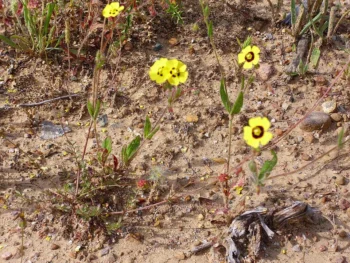
The charm of European frostweed lies in its understated beauty. The plant produces small, bright yellow flowers that often feature distinctive dark spots at the base of each petal, creating an eye-catching contrast. These delicate blooms appear in spring and early summer, providing a cheerful display during the growing season.
In garden settings, European frostweed works well as:
- Ground cover in naturalized areas
- Rock garden specimens
- Components of Mediterranean-style landscapes
- Additions to wildflower meadows or prairie-style plantings
Growing Conditions and Care
European frostweed thrives in conditions that mimic its Mediterranean homeland. It performs best in USDA hardiness zones 8-10, where winters are mild enough to support its growth cycle.
For successful cultivation, provide:
- Full sun exposure
- Well-draining, sandy or rocky soils
- Minimal irrigation once established
- Good air circulation
This drought-tolerant annual actually prefers lean soils over rich, heavily amended ground. Too much moisture or fertility can lead to weak, leggy growth and reduced flowering.
Planting and Propagation
The easiest way to establish European frostweed is through direct seeding. Scatter seeds in fall or early spring, when natural moisture will help with germination. The seeds are quite small, so avoid burying them deeply – a light covering of soil or simply pressing them into the ground surface works best.
Once established, European frostweed readily self-seeds, creating naturalized colonies over time. This self-sowing habit means you may only need to plant it once, though you can control its spread by deadheading flowers before seeds mature.
Wildlife and Pollinator Benefits
During its blooming period, European frostweed attracts various small pollinators, including native bees and other beneficial insects. While it does provide some nectar and pollen resources, native alternatives typically offer superior wildlife support.
Should You Plant European Frostweed?
As a non-native species, European frostweed presents both opportunities and considerations for gardeners. While it’s not currently listed as invasive, its ability to self-seed and naturalize means it could potentially spread beyond intended garden areas.
If you’re drawn to the Mediterranean aesthetic and drought-tolerant qualities of European frostweed, consider exploring native alternatives that provide similar benefits while supporting local ecosystems. Native annual wildflowers in your region may offer comparable beauty with greater ecological value.
However, if you do choose to grow European frostweed, practice responsible gardening by monitoring its spread and preventing it from escaping into wild areas. Deadhead spent flowers if you want to limit self-seeding, and avoid planting it near natural habitats where it might outcompete native species.
The Bottom Line
European frostweed can be a charming addition to Mediterranean-style gardens and naturalized landscapes, offering delicate beauty and easy care. Just remember to garden responsibly with this non-native species, and consider native alternatives when possible. With its drought tolerance and self-sufficient nature, it’s a plant that rewards minimal intervention – sometimes the best gardening approach of all.