European Marshwort: A Wetland Ground Cover Worth Considering
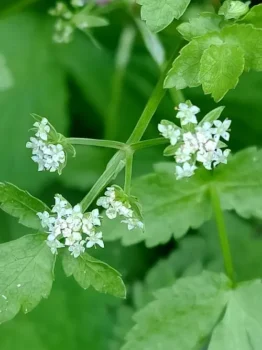
If you’ve ever wondered about those delicate, low-growing plants with tiny white flowers thriving in consistently soggy spots, you might be looking at European marshwort (Apium nodiflorum). This unassuming perennial has quietly made itself at home in wetland areas across several U.S. states, offering both opportunities and considerations for water gardeners.
What is European Marshwort?
European marshwort is a perennial forb – basically a non-woody plant that comes back year after year. Originally from Europe, western Asia, and northern Africa, this plant has established itself as a naturalized species in parts of California, New Jersey, Pennsylvania, and South Carolina. You might also see it listed under its synonyms Cyclospermum nodiflorum or Helosciadium nodiflorum in older gardening references.
As its name suggests, this is definitely a moisture-loving plant. In fact, it’s classified as an obligate wetland species, meaning it almost always grows in wetland conditions – think permanently soggy soil or shallow standing water.
- Species observed
- No observations
Garden Appeal and Characteristics
European marshwort forms low-growing mats with delicate, divided foliage and produces clusters of tiny white flowers in umbrella-shaped arrangements. While it won’t win any awards for showstopping blooms, it has a subtle charm that works well in naturalized settings. The plant spreads via creeping stems, creating a living carpet in suitable conditions.
This ground-hugger typically grows in USDA hardiness zones 5-9, making it suitable for a wide range of climates as long as water requirements are met.
Where Does It Fit in Your Garden?
European marshwort shines in specific garden situations:
- Bog gardens and rain gardens
- Edges of ponds or water features
- Consistently moist areas that challenge other plants
- Naturalized wetland restoration projects
- Areas with poor drainage where traditional ground covers struggle
Growing Conditions and Care
If you’re considering European marshwort, here’s what it needs to thrive:
- Light: Full sun to partial shade
- Soil: Consistently moist to saturated conditions – think swampy rather than well-draining
- Water: Constant moisture is non-negotiable; this plant will struggle in anything less than consistently wet conditions
- Maintenance: Minimal once established, though it may spread beyond desired areas in ideal conditions
Pollinator and Wildlife Benefits
The small white flowers attract various pollinators, particularly smaller species like flies and tiny bees. While not a pollinator powerhouse, every little bit helps in supporting local ecosystems.
Important Considerations
Since European marshwort is not native to North America, it’s worth considering native alternatives that provide similar benefits while supporting local wildlife more effectively. Native options for wet areas include:
- Wild mint (Mentha arvensis)
- Monkey flower species (Mimulus)
- Native sedges (Carex species)
- Watercress (Nasturtium officinale) – though this is also non-native
Before planting European marshwort, check with your local extension office about any regional concerns, as its status regarding invasiveness isn’t fully documented in all areas where it grows.
The Bottom Line
European marshwort can be a useful plant for challenging wet spots where few other options will survive. Its low-maintenance nature and ability to form attractive ground cover in boggy conditions make it worth considering for specific situations. However, given its non-native status, exploring native wetland plants first might better serve both your garden and local ecosystems. If you do choose to grow it, monitor its spread and be prepared to manage it if it becomes too enthusiastic in its new home.