European Spindletree: A Colorful Fall Shrub with a Quirky Past
If you’ve ever wondered about that shrub with the eye-catching pink fruits that seem to glow in autumn gardens, you might be looking at a European spindletree (Euonymus europaeus). Also simply called spindletree, this deciduous shrub has quite the story to tell – and some rather distinctive features that make it both beloved and, well, complicated for North American gardeners.
What Exactly Is European Spindletree?
European spindletree is a perennial, multi-stemmed woody shrub that typically grows 13-16 feet tall, though it can sometimes stretch taller or remain more compact depending on growing conditions. As its name suggests, this plant isn’t a North American native – it originally hails from Europe and western Asia but has made itself quite at home across much of eastern North America.
You’ll find established populations of European spindletree scattered across numerous states and provinces, including New Brunswick, Ontario, Quebec, and states from Maine down to Mississippi and west to Wisconsin and Illinois. The plant has naturalized in these areas, meaning it reproduces on its own without human intervention.
- Species observed
- No observations
The Good, The Beautiful, and The Considerations
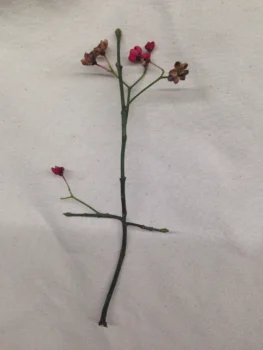
Let’s be honest – European spindletree’s claim to fame is its absolutely spectacular fall display. The shrub produces distinctive pink to reddish capsular fruits that split open like tiny treasure chests, revealing bright orange seeds inside. It’s this dramatic fruit display that catches most gardeners’ attention and keeps this non-native species in cultivation.
The spring flowers are more understated – small, greenish-white blooms that won’t win any beauty contests but do provide nectar for bees, flies, and other small insects. The fall foliage adds yellow-green tones to complement those show-stopping fruits.
Where Does It Fit in Your Garden?
European spindletree works well as:
- A specimen plant where you want reliable fall interest
- Part of a naturalized woodland garden
- An addition to cottage-style landscapes
- Background plantings in larger properties
The shrub’s adaptable nature means it can handle various garden situations, from partial shade to full sun, and it’s not particularly fussy about soil types as long as drainage is decent.
Growing European Spindletree Successfully
If you decide to grow European spindletree, you’ll find it refreshingly low-maintenance. Here’s what you need to know:
Climate Requirements: Hardy in USDA zones 3-7, so it handles cold winters like a champ while tolerating moderate summer heat.
Site Selection: Choose a spot with well-drained soil. While adaptable to different soil types, avoid constantly wet areas. The plant tolerates both partial shade and full sun conditions.
Care and Maintenance:
- Water regularly during the first growing season to establish roots
- Once established, the shrub becomes quite drought tolerant
- Prune in late winter or early spring if needed to maintain shape
- Generally pest and disease resistant
The Native Alternative Conversation
While European spindletree isn’t currently classified as invasive in most areas, many gardeners today are choosing to prioritize native plants that better support local ecosystems. If you’re interested in shrubs with similar ornamental value, consider these native alternatives:
- American elderberry (Sambucus canadensis) for wildlife-friendly berries
- Spicebush (Lindera benzoin) for brilliant fall color
- Winterberry holly (Ilex verticillata) for persistent colorful fruits
- Serviceberry species (Amelanchier) for spring flowers and fall interest
Making Your Decision
European spindletree offers reliable ornamental value with minimal fuss, especially if you’re looking for that distinctive fall fruit display. Its adaptability and low maintenance requirements make it a practical choice for many gardens. However, if supporting native wildlife and local ecosystems is a priority, you might want to explore native alternatives that provide similar aesthetic benefits while offering greater ecological value.
Whatever you choose, remember that the best garden plant is one that fits both your landscape needs and your gardening values. European spindletree certainly delivers on the ornamental front – the rest is up to you!