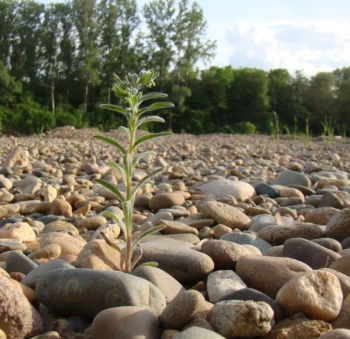
European Stickseed: A Weedy Wildflower You’ll Want to Avoid in Your Garden
If you’ve ever walked through a vacant lot or along a roadside and found tiny, prickly seeds clinging stubbornly to your clothes, you may have encountered European stickseed (Lappula squarrosa). While this little annual or biennial herb might seem harmless enough with its small blue flowers, it’s actually a plant that most gardeners should steer clear of – and here’s why.
What is European Stickseed?
European stickseed is a non-native forb that originally hails from Europe and Asia. As its name suggests, this plant has earned its reputation through its incredibly sticky seeds that seem to find their way onto everything – clothing, pet fur, and unfortunately, into new areas where they can establish new populations.
This herbaceous plant lacks any significant woody tissue and produces small, blue flowers that might look charming at first glance. However, don’t let its modest appearance fool you – this is one persistent little colonizer that knows how to make itself at home just about anywhere.
Where Does It Grow?
European stickseed has made itself comfortable across an impressive range of North American territory. You can find it from Alaska down to Texas, and from coast to coast, including most U.S. states and Canadian provinces. It’s particularly fond of disturbed soils, roadsides, waste areas, and anywhere else that offers it a foothold to establish.
- Species observed
- No observations
Why You Should Think Twice Before Welcoming It
Here’s where things get serious: European stickseed is classified as a restricted noxious weed in Alaska, which should tell you something about its behavior. While it may not be officially listed as invasive everywhere, this plant has several characteristics that make it problematic:
- It spreads rapidly through those clingy seeds
- It thrives in disturbed areas and can outcompete native plants
- It’s incredibly persistent once established
- It offers little ornamental value to offset its weedy tendencies
Better Native Alternatives
Instead of taking a chance on European stickseed, consider these native alternatives that offer similar small-flowered charm without the headaches:
- Wild forget-me-nots (Myosotis species) for similar blue flowers
- Native borages and other members of the Boraginaceae family
- Small native wildflowers appropriate to your specific region
These native options will provide beauty for your garden while supporting local ecosystems and pollinators in ways that European stickseed simply cannot.
If You Encounter It
If you find European stickseed already growing on your property, the best approach is removal before it can set seed. Since it’s an annual or biennial, preventing seed production is key to controlling its spread. Hand-pulling works well for small populations, especially when the soil is moist.
Remember to dispose of any pulled plants carefully – those seeds are just waiting for their chance to establish elsewhere!
The Bottom Line
While European stickseed might not be the most notorious invasive plant out there, it’s definitely one that’s better left in the wild (or better yet, back in its native Europe and Asia). With so many beautiful native alternatives available, there’s simply no good reason to invite this sticky situation into your garden.
Your local ecosystem – and your laundry – will thank you for choosing native plants instead!