European White Birch: A Graceful Non-Native Tree for Your Landscape
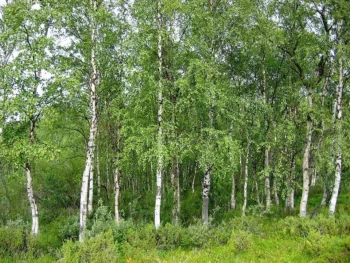
The European white birch (Betula pendula) is one of those trees that makes you do a double-take. With its striking white bark marked by distinctive dark horizontal lines and gracefully drooping branches, it’s like nature’s own piece of living artwork. But before you fall head-over-heels for this beauty, let’s dive into what makes this tree tick and whether it deserves a spot in your garden.
What Exactly Is European White Birch?
European white birch is a deciduous tree that can reach impressive heights of up to 60 feet at maturity, typically growing about 40 feet in its first 20 years thanks to its rapid growth rate. This perennial woody plant normally develops a single trunk and has earned its reputation as a thicket-forming species. You might also see it listed under its synonym Betula verrucosa, but don’t let that confuse you – it’s the same elegant tree.
The Native Status Reality Check
Here’s where things get interesting: European white birch isn’t actually native to North America. As its name suggests, this tree originally hails from northern and central Europe. However, it has successfully established itself across much of Canada and the United States, reproducing spontaneously in the wild and persisting without human help.
You’ll find this adaptable tree growing in British Columbia, Manitoba, New Brunswick, Nova Scotia, Ontario, Prince Edward Island, and numerous U.S. states including Colorado, Connecticut, Illinois, Indiana, Iowa, Kentucky, Maine, Massachusetts, Michigan, New Hampshire, New Jersey, New York, North Carolina, Ohio, Oregon, Pennsylvania, Vermont, Virginia, Washington, and Wisconsin.
- Species observed
- No observations
Why Gardeners Love (and Sometimes Question) This Tree
The European white birch brings some serious visual drama to any landscape. Its most famous feature is undoubtedly that gorgeous white bark with dark horizontal markings that looks stunning against winter snow or autumn foliage. The tree’s weeping habit creates an elegant, almost romantic silhouette that works beautifully as a specimen tree or focal point.
In spring, you’ll notice brown catkins that add subtle interest, though they’re more functional than showy. The fine-textured green foliage provides moderate shade during summer, and come fall, the leaves transform into a spectacular golden-yellow display that’s absolutely breathtaking.
However, there are some considerations to keep in mind. This tree has a relatively short lifespan and can be somewhat high-maintenance, requiring consistent moisture and showing low drought tolerance.
Growing Conditions: What European White Birch Needs to Thrive
European white birch is surprisingly adaptable when it comes to soil, tolerating coarse, medium, and fine-textured soils. However, it does have some specific preferences:
- Moisture: High water needs – this isn’t a tree for dry conditions
- pH Range: Prefers slightly acidic to neutral soil (5.0-7.5)
- Sunlight: Shade intolerant – needs full sun to perform its best
- Temperature: Hardy to -33°F, suitable for USDA zones 2-7
- Drainage: Needs well-draining soil despite high moisture requirements
The tree has a facultative upland wetland status across all regions, meaning it usually prefers non-wetland conditions but can tolerate some wetland situations.
Planting and Care Tips
If you decide to plant European white birch, here’s how to give it the best start:
- Choose a sunny location with protection from strong winds
- Ensure consistent moisture, especially during the first few years
- Plant in spring after the last frost – it needs at least 90 frost-free days
- Space trees appropriately (300-700 per acre if planting multiple trees)
- Mulch around the base to retain moisture and protect shallow roots
- Be patient with establishment – seedling vigor is moderate
Propagation is fairly straightforward, as the tree can be grown from seed, cuttings, bare root, or container plants. Seeds are tiny – there are about 2.4 million per pound!
The Wildlife and Pollinator Picture
European white birch is wind-pollinated, so it doesn’t offer the same direct benefits to pollinators as many native flowering trees. While some insects do utilize birch trees, the wildlife benefits are generally limited compared to native alternatives.
Should You Plant It?
European white birch can be a stunning addition to the right landscape, particularly if you’re looking for a fast-growing specimen tree with year-round interest. It works well in naturalized settings, parks, and larger residential landscapes where its mature size won’t be problematic.
However, consider exploring native birch alternatives first, such as paper birch (Betula papyrifera) or river birch (Betula nigra), which offer similar aesthetic appeal while providing better support for local ecosystems and wildlife.
If you do choose European white birch, you’re committing to a tree that needs consistent care, particularly regarding moisture requirements. But for gardeners willing to meet its needs, it rewards with exceptional beauty and rapid growth that can transform a landscape in just a few years.