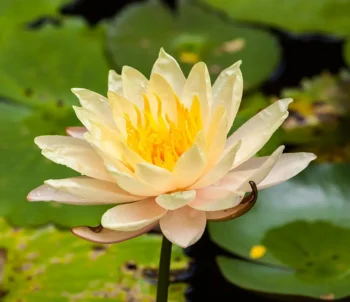
European White Waterlily: A Stunning Addition to Your Water Garden
If you’ve ever dreamed of having elegant white water lilies floating serenely in your pond, the European white waterlily might just be the aquatic beauty you’re looking for. With its pristine white blooms and classic lily pad charm, this perennial water plant can transform any water feature into a tranquil oasis.
What Is the European White Waterlily?
The European white waterlily (Nymphaea alba) is a herbaceous perennial that belongs to the water lily family. As its name suggests, this stunning aquatic plant produces large, pure white flowers that seem to float magically on the water’s surface, surrounded by distinctive round lily pads.
It’s important to note that this species is not native to North America. Originally from Europe, western Asia, and North Africa, it has been introduced to various regions, including British Columbia in Canada, where it now reproduces naturally in the wild.
- Species observed
- No observations
Why Consider (or Not Consider) This Water Lily?
The European white waterlily offers several appealing qualities for water gardeners:
- Spectacular white flowers that can reach 6-8 inches across with bright yellow centers
- Large, attractive lily pads that provide surface coverage and habitat
- Long blooming season throughout summer
- Attracts pollinators like beetles and flies
- Hardy perennial that returns year after year
However, since this is a non-native species, you might want to consider native water lily alternatives that would better support local ecosystems. Native options can provide similar beauty while offering superior benefits to local wildlife and maintaining ecological balance.
Perfect for Water Gardens and Ponds
This water lily thrives as an obligate wetland plant, meaning it almost always occurs in wetland environments. It’s perfectly suited for:
- Ornamental ponds and water gardens
- Large water features in landscape designs
- Natural or constructed wetlands
- Bog gardens with standing water
As a focal point plant, the European white waterlily creates stunning visual interest and serves as a centerpiece for aquatic garden designs.
Growing Conditions and Care
Successfully growing European white waterlily requires specific aquatic conditions:
Water Requirements: This plant needs still or very slow-moving water that’s 1-8 feet deep. The roots anchor in the mud at the bottom while leaves and flowers float on the surface.
Light: Full sun to partial shade works best, though more sun typically means more blooms.
Hardiness: Hardy in USDA zones 4-9, making it suitable for most temperate climates.
Planting and Care Tips
Here’s how to successfully establish your European white waterlily:
- Container planting: Use large, wide containers filled with heavy clay soil or aquatic planting mix
- Depth placement: Submerge containers so the growing point is 12-18 inches below water surface
- Seasonal care: Remove spent flowers and yellowing leaves regularly
- Winter protection: In colder zones, move containers to deeper water or protect from freezing
- Division: Divide every 3-4 years to maintain vigor and prevent overcrowding
Supporting Pollinators and Wildlife
While European white waterlily does attract some pollinators, particularly beetles and flies that specialize in water lily pollination, native water plants would provide more comprehensive support for local wildlife. The large lily pads do offer some habitat for aquatic creatures and can help maintain water quality by providing shade and oxygen.
The Bottom Line
European white waterlily can be a stunning addition to water gardens and ponds, offering classic beauty and reliable performance. However, as a non-native species, consider exploring native water lily alternatives that might provide similar aesthetic appeal while better supporting your local ecosystem. Whatever you choose, proper aquatic gardening practices will help ensure a healthy, beautiful water feature that can be enjoyed for years to come.