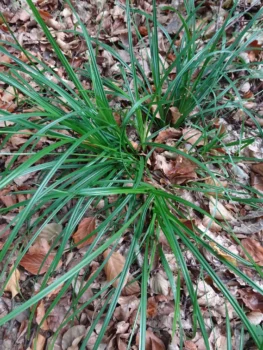
European Woodland Sedge: A Shade-Loving Groundcover for Your Garden
Looking for an easy-care plant that thrives in those tricky shady spots where grass struggles to grow? Meet the European woodland sedge (Carex sylvatica), a graceful perennial that might just be the answer to your shade gardening prayers. This unassuming but reliable sedge has been quietly winning over gardeners with its adaptable nature and low-maintenance charm.
What Is European Woodland Sedge?
European woodland sedge is a clump-forming perennial sedge that belongs to the grass-like plant family. Despite its name suggesting it’s just another grass, sedges are actually quite different from true grasses – they’re part of the Cyperaceae family and have their own unique characteristics. This particular species originally hails from the woodlands of Europe, where it naturally carpets forest floors with its bright green foliage.
As a non-native species, European woodland sedge has established itself in several North American locations, including British Columbia, Ontario, New York, and Washington, where it reproduces naturally and persists without human intervention.
- Species observed
- No observations
Why Consider European Woodland Sedge?
This sedge offers several appealing qualities that make it worth considering for the right garden situation:
- Shade tolerance: Thrives in partial to full shade where many other plants struggle
- Low maintenance: Once established, requires minimal care
- Attractive foliage: Forms neat clumps of arching, bright green leaves
- Erosion control: Excellent for stabilizing slopes or banks
- Adaptable: Tolerates various soil conditions
Garden Design and Landscape Uses
European woodland sedge works beautifully in several garden settings. It’s particularly valuable as a groundcover in woodland gardens, where its natural woodland origins make it feel right at home. The plant also performs well in rain gardens and other areas with occasional moisture, thanks to its facultative upland status – meaning it usually prefers non-wetland conditions but can handle some moisture.
Consider using this sedge to create naturalized drifts under trees, as edging along shaded pathways, or as a living mulch around shade-loving shrubs and perennials. Its clumping habit means it won’t take over your garden, but it will slowly spread to create attractive colonies over time.
Growing Conditions and Care
One of the best things about European woodland sedge is how accommodating it is. Here’s what this easy-going plant prefers:
- Light: Partial to full shade (morning sun is fine)
- Soil: Moist but well-draining; adapts to various soil types
- Hardiness: Thrives in USDA zones 5-8
- Water: Moderate moisture; drought tolerant once established
Planting and Care Tips
Getting started with European woodland sedge is refreshingly straightforward:
- Plant in spring or fall for best establishment
- Space plants 12-18 inches apart for groundcover effect
- Water regularly the first season to help establish roots
- Cut back old foliage in late winter or early spring
- Divide clumps every 3-4 years to maintain vigor
- Apply a light layer of compost annually if desired
Wildlife and Ecosystem Value
While European woodland sedge may provide some seeds for birds and small wildlife, as a non-native species, it doesn’t offer the same ecosystem benefits as native alternatives. The plant is wind-pollinated, so it doesn’t provide significant value for pollinators like bees and butterflies.
Native Alternatives to Consider
If you’re interested in supporting local ecosystems while achieving similar garden effects, consider these native sedge alternatives:
- Pennsylvania sedge (Carex pensylvanica) – excellent native groundcover
- Appalachian sedge (Carex appalachica) – great for naturalizing
- Plantain-leaved sedge (Carex plantaginea) – attractive broad leaves
- Oak sedge (Carex albicans) – drought-tolerant native option
The Bottom Line
European woodland sedge is a reliable, low-maintenance option for challenging shady areas where you need something tougher than hostas but more refined than weedy volunteers. While it’s not native, it’s not considered invasive either, making it a reasonable choice for gardeners who need a dependable groundcover solution.
That said, if you’re passionate about supporting native wildlife and local ecosystems, exploring native sedge alternatives might be the better path. Either way, you’ll end up with a beautiful, easy-care addition to your shade garden that will serve you well for years to come.