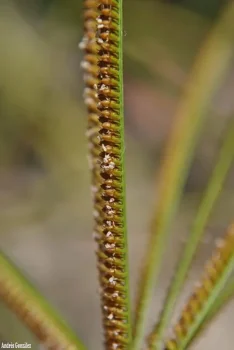
Eustachys uliginosa: The Mystery Grass Worth Knowing About
If you’ve stumbled upon the name Eustachys uliginosa in your native plant research, you’re not alone in wondering what exactly this grass is all about. This lesser-known species belongs to the fascinating world of native grasses, but it’s one of those plants that seems to prefer keeping a low profile in botanical literature.
What We Know About This Elusive Grass
Eustachys uliginosa is a grass species that falls into the large family of graminoids – that’s the fancy term for grass and grass-like plants. You might also encounter it under its synonym, Chloris uliginosa, which was its former scientific name. Like many grasses, it’s a monocot, meaning it’s related to everything from your lawn grass to ornamental sedges and rushes.
The challenge with this particular species is that detailed information about its characteristics, native range, and growing requirements remains surprisingly scarce in readily available horticultural resources. This doesn’t necessarily mean it’s not a worthy garden plant – it just means we’re dealing with one of botany’s more mysterious characters.
The Information Gap Challenge
Here’s where things get a bit frustrating for curious gardeners: comprehensive details about Eustachys uliginosa’s native status, geographical distribution, and specific growing requirements aren’t well-documented in standard gardening resources. We don’t have clear information about:
- Its specific native range or distribution
- Preferred growing conditions and soil types
- USDA hardiness zones
- Mature size and growth habits
- Wildlife and pollinator benefits
- Invasive or conservation status
Should You Consider This Grass for Your Garden?
Without clear information about Eustachys uliginosa’s characteristics and requirements, it’s difficult to make specific recommendations about incorporating it into your landscape. If you’re interested in this species, your best bet would be to:
- Contact local native plant societies or botanical experts
- Reach out to university extension services in areas where the plant might occur
- Consult with specialized native grass nurseries
- Check with local herbarium collections for specimen information
Alternative Native Grass Options
While we sort out the mystery of Eustachys uliginosa, consider these well-documented native grass alternatives that can provide similar ecological benefits:
- Little bluestem (Schizachyrium scoparium) – excellent for prairie gardens
- Buffalo grass (Poaceae family members) for low-maintenance lawns
- Native sedges (Carex species) for wetland areas
- Switchgrass (Panicum virgatum) for larger landscape installations
The Bottom Line
Eustachys uliginosa represents one of those intriguing gaps in commonly available horticultural knowledge. While it’s undoubtedly a legitimate grass species, the lack of detailed growing information makes it challenging to recommend for typical garden applications. If you’re a plant detective who enjoys tracking down rare or unusual species, this might be right up your alley – just be prepared for some serious botanical sleuthing!
For most gardeners, focusing on well-documented native grasses will give you the best chance of success while still supporting local ecosystems and wildlife. But hey, if you do manage to track down more information about this mysterious grass, the native plant community would love to hear about it!