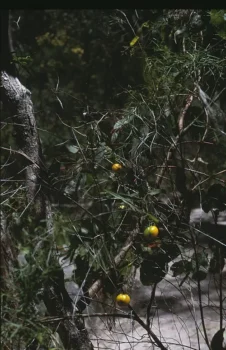
Eustrephus: The Mystery Shrub from the Pacific
If you’ve stumbled across the name Eustrephus in your plant research, you might be scratching your head wondering what exactly this plant is. Don’t worry – you’re not alone! Eustrephus is one of those botanical mysteries that keeps even seasoned gardeners guessing.
What is Eustrephus?
Eustrephus is a perennial shrub that belongs to the monocot family. This multi-stemmed woody plant typically grows to less than 13-16 feet tall, though it can occasionally stretch taller under the right conditions. Like most shrubs, it develops several stems that emerge from or near ground level, creating that classic bushy appearance we associate with shrubby growth.
Where Does Eustrephus Come From?
This intriguing plant calls the Pacific Basin home, with documented populations in Palau. It’s considered native to this region, though its exact native status remains somewhat undefined across the broader Pacific Basin area (excluding Hawaii).
- Species observed
- No observations
The Challenge of Growing Eustrephus
Here’s where things get interesting – and a bit frustrating if you’re hoping to add this plant to your garden. Eustrephus is what we might call a horticultural enigma. Despite being a legitimate plant genus, there’s remarkably little information available about its cultivation, care requirements, or even its appearance in detail.
What We Don’t Know (And Why That Matters)
When it comes to Eustrephus, the list of unknowns is pretty extensive:
- Common names or local names
- Specific growing conditions and soil preferences
- Water requirements and drought tolerance
- Suitable USDA hardiness zones
- Propagation methods
- Wildlife and pollinator benefits
- Landscape design applications
Should You Try to Grow Eustrephus?
The honest answer is that growing Eustrephus would be quite the gardening adventure – and not necessarily the good kind. Without reliable information about its care requirements, hardiness, or availability, attempting to cultivate this plant would be like navigating without a map.
If you’re drawn to unique Pacific plants, you might want to explore better-documented alternatives that offer similar exotic appeal but with proven cultivation methods and available plant material.
For the Truly Adventurous
If you’re still intrigued by Eustrephus despite the challenges, your best bet would be to connect with botanical gardens or research institutions that specialize in Pacific flora. They might have insights or resources that aren’t readily available to home gardeners.
Remember, part of the joy of native gardening is working with plants that thrive in your specific conditions. Sometimes the most rewarding garden choices are the ones that come with a good instruction manual – and unfortunately, Eustrephus seems to have misplaced its manual somewhere in the Pacific!