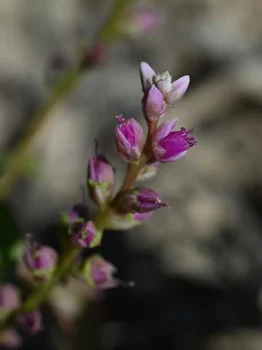
False Amaranth: A Weedy Wanderer You Probably Don’t Want in Your Garden
Meet Digera muricata, commonly known as false amaranth – a plant that’s probably not going to win any beauty contests in your garden. This annual forb has made its way from its native home in Africa and Asia to establish itself in parts of the United States, though it remains relatively uncommon compared to other introduced species.
What Exactly Is False Amaranth?
False amaranth is an annual herbaceous plant, meaning it completes its entire life cycle in just one growing season and lacks woody stems. As a member of the forb family, it’s essentially what most people would call a weed – though that’s not necessarily a bad thing for every situation!
This plant goes by the scientific name Digera muricata, and you might also see it listed under its synonym Digera arvensis in older botanical references. The false in its common name hints at its relationship to true amaranths, though it’s not quite the same thing.
Where You’ll Find It (Or Where It Might Find You)
Currently, false amaranth has been documented growing wild in New Jersey, making it a relatively limited presence in the United States compared to many other introduced species. However, as with many non-native plants, its range could potentially expand over time.
- Species observed
- No observations
Should You Plant False Amaranth?
Here’s the honest truth: false amaranth isn’t really a garden showstopper. This plant is typically considered weedy in appearance, with small, inconspicuous flowers that won’t add much pizzazz to your landscape design. It’s the kind of plant that’s more likely to show up uninvited in disturbed soil areas than to earn a spot in your carefully planned flower beds.
While false amaranth isn’t currently listed as invasive or noxious, it’s also not bringing much to the table in terms of ornamental value or known ecological benefits. If you’re looking to create habitat for pollinators or add visual interest to your garden, you’ll want to look elsewhere.
Better Native Alternatives
Instead of false amaranth, consider these native alternatives that will give you much more bang for your gardening buck:
- Native amaranths like redroot pigweed (Amaranthus retroflexus) – if you want that amaranth family connection
- Wild bergamot (Monarda fistulosa) – for pollinator appeal and aromatic foliage
- New England aster (Symphyotrichum novae-angliae) – for late-season color and wildlife benefits
- Purple coneflower (Echinacea purpurea) – for both beauty and bird-friendly seed heads
If It Shows Up Anyway
Like many weedy plants, false amaranth is pretty adaptable. It can handle poor soils and drought conditions, which explains how it manages to establish itself in disturbed areas. If it appears in your garden uninvited, it’s generally easy enough to pull up since it’s an annual with relatively shallow roots.
The plant tends to thrive in areas where the soil has been disturbed – think construction sites, vacant lots, or areas where you’ve recently done major garden renovation work.
The Bottom Line
While false amaranth isn’t going to cause ecological havoc like some invasive species, it’s also not going to transform your garden into a wildlife paradise or win any awards for stunning beauty. As gardeners, we have so many fantastic native options available that provide real benefits to local ecosystems while also looking great.
Your time, energy, and garden space are precious resources – why not invest them in plants that will truly enhance your landscape and support local wildlife? Save the false amaranth appreciation for when it pops up on its own in that weedy corner you haven’t gotten around to yet!