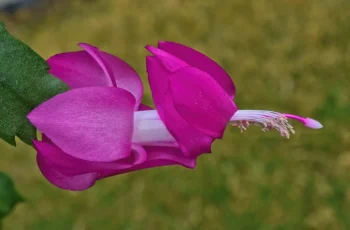
False Christmas Cactus: A Winter-Blooming Wonder for Your Home
When most plants are taking their winter nap, the false Christmas cactus (Schlumbergera truncata) bursts into bloom with vibrant flowers that brighten the darkest months. This charming succulent has won hearts worldwide with its unique segmented stems and show-stopping winter display, though it’s worth noting that this beauty isn’t native to North American gardens.
What’s in a Name?
Known botanically as Schlumbergera truncata, this plant goes by several aliases including false Christmas cactus. You might also encounter it under its former scientific names: Epiphyllum truncatum or Zygocactus truncatus. Despite its common name, it’s not a true Christmas cactus – that honor belongs to its close relative, Schlumbergera x buckleyi.
Where Does It Come From?
The false Christmas cactus hails from the coastal mountains of southeastern Brazil, where it grows as an epiphyte in the wild. In the United States, it has established itself in Hawaii, where it reproduces naturally without human intervention. As a non-native species, it’s important for gardeners to consider native alternatives when possible, though it’s not currently listed as invasive or problematic.
- Species observed
- No observations
Why Gardeners Love (or Don’t Love) This Plant
There are several compelling reasons why gardeners choose the false Christmas cactus:
- Spectacular winter blooms in shades of pink and red when most plants are dormant
- Low-maintenance care requirements
- Excellent for hanging baskets and containers
- Long-lived perennial that can become a family heirloom
- Unique architectural form with flattened, segmented stems
However, some gardeners prefer to stick with native plants that support local ecosystems. If you’re leaning toward native alternatives, consider looking into indigenous succulents or winter-blooming native plants in your region.
Garden Role and Landscape Uses
This versatile shrub shines in several garden settings:
- Container gardens and patio displays
- Indoor houseplant collections
- Hanging baskets for cascading effect
- Rock gardens in warm climates
- Tropical and subtropical landscape designs
The false Christmas cactus typically grows as a multi-stemmed woody plant, usually staying under 13-16 feet in height, though as a houseplant it remains much more compact.
Growing Conditions and Care
Success with false Christmas cactus comes down to mimicking its natural Brazilian habitat:
Climate: Hardy in USDA zones 10-12 for year-round outdoor growing. In colder regions, it thrives as a houseplant.
Light: Bright, indirect light works best. Too much direct sun can scorch the segments, while too little light reduces flowering.
Soil: Well-draining, slightly acidic soil is ideal. A cactus or succulent potting mix works perfectly.
Watering: Allow soil to dry between waterings. Reduce watering after the blooming period to give the plant a rest.
Planting and Care Tips
Getting your false Christmas cactus to thrive is easier than you might think:
- Plant in containers with drainage holes to prevent root rot
- Provide a cool period (50-65°F) in fall to encourage blooming
- Avoid moving the plant once flower buds form – they’re sensitive to changes
- Feed monthly during growing season with diluted houseplant fertilizer
- Propagate easily from stem cuttings – just let cut ends dry for a day before planting
Wildlife and Pollinator Benefits
In its native habitat, the false Christmas cactus attracts hummingbirds and various insects with its tubular flowers. As a houseplant or in non-native gardens, these benefits are limited, which is another reason to consider native alternatives that actively support local wildlife.
While the false Christmas cactus can be a delightful addition to container gardens and indoor plant collections, remember that native plants are always the best choice for supporting local ecosystems. If you do choose to grow this Brazilian beauty, enjoy its winter spectacle while also exploring native options that can provide year-round benefits to your local wildlife community.