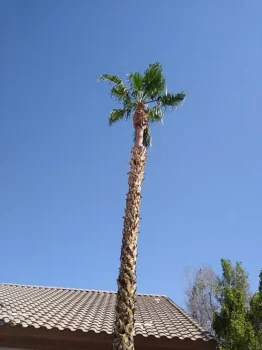
Fan Palm: The Majestic Desert Giant for Your Landscape
If you’ve ever dreamed of adding a touch of desert elegance to your garden, the fan palm (Washingtonia) might just be the showstopper you’re looking for. With its impressive height and distinctive fan-shaped leaves, this perennial tree brings year-round drama to any landscape brave enough to embrace its bold personality.
What Makes Fan Palms Special
Fan palms are true attention-grabbers, growing as majestic single-trunked trees that typically soar beyond 13-16 feet in height. Their most striking feature is their large, fan-shaped leaves that create a distinctive silhouette against the sky. Under certain conditions, some specimens may develop a shorter, multi-stemmed growth habit, but the classic towering form is what most gardeners fall in love with.
Where Fan Palms Call Home
The story of fan palm’s native status is a bit complex. These trees have an undefined native status in the lower 48 states, but you’ll find them growing naturally in Arizona, California, Nevada, and Florida. Interestingly, they’re considered non-native in the U.S. Virgin Islands, where they’ve been introduced but now reproduce on their own in the wild.
- Species observed
- No observations
Why You Might Want a Fan Palm
Fan palms excel as specimen trees and focal points in the landscape. Here’s what makes them garden-worthy:
- Dramatic tropical appearance that creates instant visual impact
- Drought tolerance once established, making them water-wise choices
- Year-round interest with their evergreen foliage
- Relatively low maintenance compared to other large trees
- Small flowers that provide some pollinator benefits
Perfect Garden Settings
Fan palms shine brightest in:
- Desert and xeriscape gardens
- Mediterranean-style landscapes
- Tropical-themed designs
- Modern minimalist gardens where their architectural form stands out
- Large properties where they have room to reach their full potential
Growing Conditions and Care
Fan palms are surprisingly adaptable, but they do have preferences. They thrive in USDA hardiness zones 8-11, making them suitable for warmer climates. Here’s what they need to flourish:
- Sunlight: Full sun is essential for healthy growth
- Soil: Well-draining soil is crucial – they hate wet feet
- Water: Regular watering during establishment, then very drought tolerant
- Space: Allow plenty of room for their eventual size
Planting and Care Tips
Spring is the ideal time to plant your fan palm. Start by choosing a location with excellent drainage and full sun exposure. During the first year, provide regular watering to help establish the root system, but once established, these palms become remarkably drought tolerant.
The good news? Fan palms are relatively low-maintenance once they’re settled in. They don’t require frequent pruning, and their natural form is part of their appeal. Just remove any dead or damaged fronds as needed.
Things to Consider
While fan palms make stunning landscape additions, they’re not right for every garden. Their large size means they need plenty of space, and they’re not suitable for colder climates outside zones 8-11. If you’re in a region where they’re not native, consider exploring native palm alternatives that might be better suited to your local ecosystem.
Fan palms represent a bold choice for gardeners ready to make a statement. With their impressive stature and relatively easy care requirements, they can transform the right landscape into a desert oasis. Just make sure you have the space and climate to let these magnificent trees reach their full potential.