Feathered Pink: A Fragrant European Beauty for Your Garden
If you’re looking for a plant that combines old-world charm with modern garden appeal, feathered pink (Dianthus plumarius) might just capture your heart. Also known by the delightful names cottage pink, garden pink, and laced pink, this European perennial has been winning over gardeners for centuries with its sweet fragrance and delicate, fringed blooms.
What Makes Feathered Pink Special?
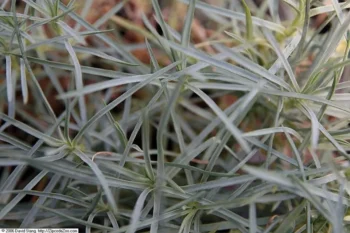
Feathered pink is a low-growing herbaceous perennial that forms attractive mats of blue-gray foliage topped with clusters of fragrant flowers. The blooms typically appear in shades of pink or white, with distinctively fringed petals that give the plant its feathered common name. The flowers emit a spicy-sweet fragrance that’s particularly noticeable in the evening, making them a wonderful addition to seating areas or pathways where you can fully appreciate their scent.
This charming plant reaches about 6-12 inches in height and spreads 12-18 inches wide, creating dense, evergreen mats that provide year-round interest in the garden.
Where Does Feathered Pink Come From?
Originally native to Europe and parts of Asia, particularly the Mediterranean region, feathered pink is considered a non-native species in North America. However, it has naturalized widely across the continent and can now be found growing in many states and Canadian provinces, from Alberta and British Columbia down to Alabama and the Carolinas.
- Species observed
- No observations
Garden Design and Landscape Uses
Feathered pink shines in several garden settings:
- Rock gardens: Its compact size and drought tolerance make it perfect for tucking between stones
- Cottage gardens: A classic choice that pairs beautifully with other old-fashioned perennials
- Perennial borders: Use as an edging plant or front-of-border specimen
- Cutting gardens: The fragrant flowers make lovely additions to bouquets
- Ground cover: Excellent for covering slopes or filling in gaps between larger plants
Growing Conditions and Care
One of feathered pink’s greatest assets is its easy-going nature. Here’s what this perennial prefers:
Sunlight: Full sun is essential for the best flowering and compact growth. In partial shade, plants may become leggy and bloom less.
Soil: Well-drained soil is crucial – feathered pink absolutely despises wet feet. It actually prefers slightly alkaline to neutral soil (pH 6.5-7.5) and tolerates poor, rocky, or sandy conditions beautifully.
Water: Once established, this plant is quite drought tolerant. Water regularly during the first growing season, then reduce watering as the plant matures.
Hardiness: Feathered pink is remarkably cold-hardy, thriving in USDA zones 3-9.
Planting and Maintenance Tips
Getting started with feathered pink is straightforward:
- Planting time: Spring or early fall are ideal
- Spacing: Plant 12-15 inches apart to allow for spreading
- Deadheading: Remove spent flowers to encourage continued blooming throughout the season
- Division: Divide clumps every 2-3 years in spring to maintain vigor and prevent centers from dying out
- Winter care: In colder zones, a light mulch can help protect plants, but avoid covering the foliage completely
Benefits for Pollinators and Wildlife
While feathered pink may not be native, it does provide some benefits to local wildlife. The fragrant flowers attract butterflies and moths, particularly those that are active during evening hours when the fragrance is strongest. However, since this is a non-native species, consider also incorporating native alternatives that provide even greater benefits to local ecosystems.
Native Alternatives to Consider
If you’re interested in supporting native wildlife while achieving a similar garden effect, consider these native alternatives:
- Wild bergamot (Monarda fistulosa): Fragrant flowers beloved by pollinators
- Phlox species: Many native phlox offer similar cottage garden charm
- Native sedums: For ground cover with succulent appeal
- Coral bells (Heuchera species): Attractive foliage and delicate flower spikes
Is Feathered Pink Right for Your Garden?
Feathered pink can be a delightful addition to gardens where its specific charms are appreciated. It’s particularly well-suited for gardeners who love fragrant plants, enjoy cottage garden aesthetics, or need a reliable ground cover for challenging, well-drained sites. While it’s not native to North America, it’s not considered invasive either, making it a reasonable choice for gardeners who want to enjoy its old-world appeal.
Just remember to balance non-native plantings with native species to ensure your garden supports local wildlife and maintains ecological health. When grown thoughtfully as part of a diverse garden palette, feathered pink can provide years of fragrant enjoyment without overwhelming native plant communities.