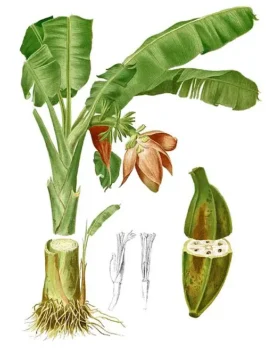
Fe’i Banana: A Striking Tropical Addition to Pacific Gardens
If you’ve ever dreamed of adding a touch of tropical paradise to your garden while growing something truly unique, the fe’i banana (Musa troglodytarum) might just catch your eye. This isn’t your typical grocery store banana – it’s a stunning ornamental and edible plant that brings both beauty and cultural significance to the right garden setting.
What Makes Fe’i Banana Special?
The fe’i banana stands out from its more common cousins with its gorgeous orange to red-orange fruits that grow upright rather than hanging down. It’s a perennial herb that can reach impressive heights of 6-12 feet, spreading about 4-6 feet wide. Despite being classified as an herb, don’t let that fool you – this plant makes quite the dramatic statement in any landscape!
Where Does It Come From?
Originally native to Pacific islands, particularly French Polynesia, the fe’i banana has found new homes across the Pacific Basin. Today, you’ll find established populations in Hawaii, Guam, and Palau, where it reproduces naturally without human intervention.
- Species observed
- No observations
Is Fe’i Banana Right for Your Garden?
Before falling head-over-heels for this tropical beauty, consider whether it’s the right fit for your space and goals:
The Good Stuff
- Stunning visual impact with unique upright orange fruits
- Large, tropical foliage creates excellent screening
- Edible fruits with cultural and culinary significance
- Relatively fast-growing for quick landscape impact
- Thrives in warm, humid climates
Things to Consider
- Only suitable for USDA zones 9-11 (very frost-sensitive)
- This is a non-native species, so consider native alternatives first
- Requires consistent moisture and protection from strong winds
- Can spread naturally, so monitor its growth
Where Fe’i Banana Shines
This plant works beautifully as a specimen plant in tropical gardens, adds authentic flair to cultural landscapes, and fits perfectly into edible landscaping designs. It’s particularly stunning when planted where you can appreciate both its architectural form and unique fruiting habit.
Growing Fe’i Banana Successfully
Location and Conditions
Fe’i bananas prefer warm, humid conditions and can handle everything from partial shade to full sun. They’re classified as facultative upland plants in Hawaii, meaning they usually prefer well-drained areas but can tolerate some wetness.
Planting Tips
- Choose a spot protected from strong winds
- Ensure good drainage while maintaining consistent moisture
- Allow plenty of space – these plants get big!
- Plant after all danger of frost has passed
Care and Maintenance
- Water regularly, especially during dry periods
- Apply mulch around the base to retain moisture
- Remove dead leaves and spent flower stalks
- Protect from cold temperatures (bring potted plants indoors in cooler climates)
A Word About Native Alternatives
While fe’i banana can be a stunning addition to the right garden, consider exploring native alternatives first, especially if you’re gardening in Hawaii or other Pacific islands. Native plants support local ecosystems and often require less maintenance once established. Consult with local native plant societies or extension services for recommendations specific to your area.
The Bottom Line
Fe’i banana offers a unique combination of ornamental beauty and cultural significance that’s hard to resist for the right gardener. If you live in a warm climate, have space for a dramatic tropical plant, and want something that’s both beautiful and functional, this could be a wonderful addition to your landscape. Just remember to garden responsibly by considering native options first and monitoring your plant’s spread to ensure it stays where you want it!