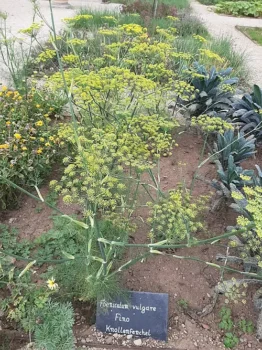
Fennel: The Feathery Mediterranean Beauty That’s Made Itself at Home
With its delicate, thread-like foliage dancing in the breeze and cheerful yellow flower clusters, fennel (Foeniculum) has certainly made quite the impression across North American gardens. This Mediterranean native has wandered far from its ancestral home and established itself as a familiar sight from coast to coast.
What Exactly Is Fennel?
Fennel is a forb – essentially a non-woody flowering plant that can live as either a biennial or perennial depending on your climate. Don’t let the fancy botanical terms fool you; this is simply a plant that produces soft, herbaceous growth rather than woody stems, and it can stick around for multiple growing seasons in the right conditions.
A Well-Traveled Plant
Originally from the sun-soaked Mediterranean region, fennel has become quite the globetrotter. It’s now found growing wild across most of North America, from the Canadian provinces of Alberta, British Columbia, Ontario, and Quebec, down through almost every U.S. state, and even in Hawaii, Puerto Rico, and the Virgin Islands. That’s quite a journey for a plant that started out around the Mediterranean Sea!
- Species observed
- No observations
While fennel isn’t native to North America, it has adapted remarkably well to our diverse climates and now reproduces on its own without any help from gardeners.
Why Gardeners Love (and Sometimes Question) Fennel
There’s plenty to appreciate about fennel’s garden presence:
- Its feathery, almost ethereal foliage creates beautiful textural contrast against broader-leaved plants
- Bright yellow flower clusters appear in flat-topped umbrels that practically glow in the garden
- It’s a magnet for beneficial insects, including bees, butterflies, and helpful predatory wasps
- Once established, it’s remarkably drought-tolerant and low-maintenance
- The entire plant is edible and aromatic, making it a dual-purpose ornamental and culinary herb
However, because fennel isn’t native to our region, some gardeners prefer to choose plants that naturally belong in our ecosystems. If you’re leaning toward native alternatives, consider wild bergamot, golden alexanders, or other native plants with umbrella-shaped flowers that provide similar benefits to pollinators.
Perfect Garden Companions
Fennel shines in herb gardens, Mediterranean-style landscapes, and cottage gardens where its informal, naturalized appearance feels right at home. It works beautifully as a backdrop plant, letting its delicate texture soften bolder plants in mixed borders. The plant’s vertical growth habit and airy foliage make it excellent for adding height and movement to garden beds.
Growing Fennel Successfully
The good news? Fennel is refreshingly easy to grow. Here’s what this Mediterranean wanderer needs to thrive:
Climate and Hardiness
Fennel typically grows as a hardy perennial in USDA zones 4-9, though it may behave more like an annual in the coldest regions.
Sun and Soil Requirements
Give fennel full sun and well-draining soil, and it’ll be perfectly content. It actually prefers poor to moderately fertile soil – too much rich soil can make it grow too lushly and flop over. Think Mediterranean hillside rather than fertile vegetable garden.
Planting and Care Tips
- Direct seed in spring after the last frost or in fall in milder climates
- Space plants about 12-18 inches apart
- Water regularly during establishment, then let natural rainfall take over
- Cut back flower stalks after blooming if you want to prevent self-seeding (though the seeds attract birds!)
- In colder zones, mulch around the base for winter protection
A Word About Self-Seeding
Fennel is an enthusiastic self-seeder, which means you might find baby fennel plants popping up in unexpected places. While this can be delightful if you love the plant, keep an eye on it and remove unwanted seedlings to prevent it from overwhelming other garden plants.
The Bottom Line
Fennel offers undeniable beauty and practical benefits in the garden, from its graceful appearance to its pollinator-friendly flowers. While it’s not native to North America, it’s generally well-behaved in most garden settings. Whether you choose to grow this Mediterranean traveler or opt for native alternatives, the key is creating a garden that brings you joy while supporting local ecosystems. After all, the best garden is one that makes both you and your local wildlife happy!